 Premier League
 Championship
 EFL One & Two
 Scottish Premiership
 WSL
 Champions League
 Europa League
 FA Cup
 Carabao Cup
 Arsenal News
 Aston Villa News
 Chelsea News
 Liverpool News
 Man City News
 Man Utd News
 Newcastle News
 Tottenham News
 Premiership Rugby
 URC
 Six Nations
 Nations Championship
 Bath
 Leicester Tigers
 Saracens
 Northampton Saints
 Harlequins
 Bristol Bears
 Leinster
 Munster
 Glasgow Warriors
 Cardiff
Manchester United under INEOS: Michael Carrick’s crisis raises questions another sacking would not answer
Michael Carrick could become the next Manchester United manager to lose his job. If he does, the people making that decision will have another appointment to explain.
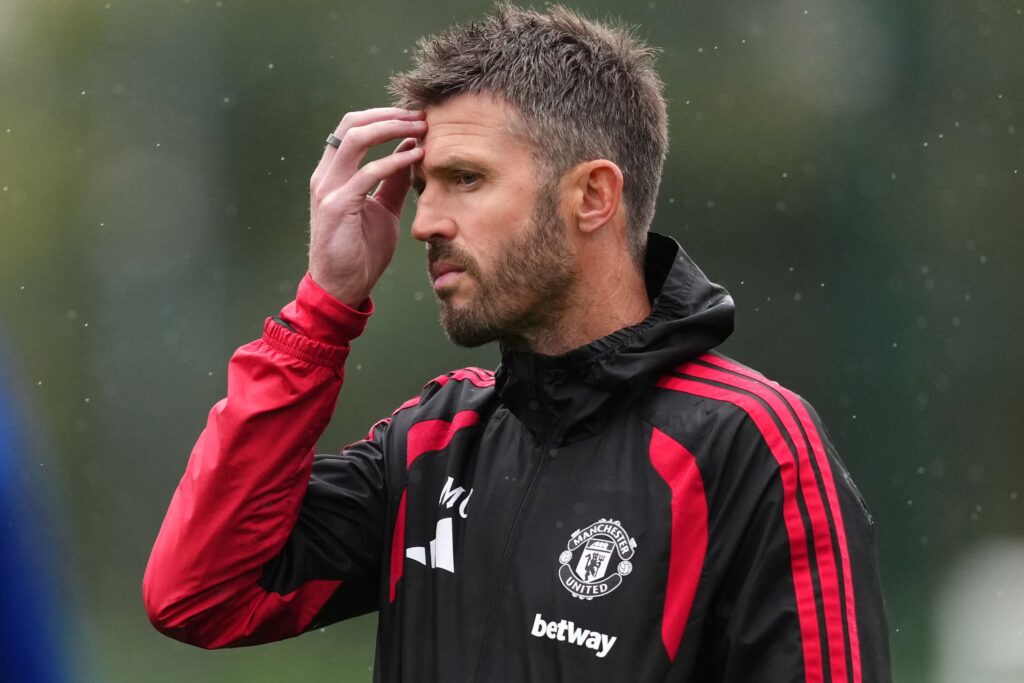
Michael Carrick could become the next Manchester United manager to lose his job. If he does, the people making that decision will have another appointment to explain.
Manchester United under INEOS were supposed to benefit from better football decisions: a clearer structure, more coherent recruitment and leadership capable of giving a head coach the conditions to succeed.
After United’s 4-1 defeat at Como, the immediate scrutiny belongs on Carrick. Seven matches without a win is a serious decline, and the manner of the performance in Italy made the result harder to excuse.
But the assessment cannot stop at the dugout. INEOS chose to retain Erik ten Hag, then dismissed him. Ruben Amorim followed and was gone within 14 months. Carrick restored enough confidence to earn a longer contract, only for United to find themselves facing another managerial crisis before the end of October.
That sequence raises a question which would survive his departure: what, precisely, is the football operation trying to build?
Manchester United under INEOS: the decisions that brought them here
Sir Jim Ratcliffe’s minority investment was completed in February 2024, with INEOS taking responsibility for football operations. The Glazers retained majority ownership, but the authority to reshape the sporting side had changed.
The early decisions suggested a substantial overhaul. United brought in senior football executives and reviewed the manager’s position.
They then extended Ten Hag’s contract in July 2024 before dismissing him on 28 October.
There was a defensible argument for keeping an FA Cup-winning manager. There was also a defensible argument for replacing him after a poor start. The difficulty for INEOS is that both decisions followed its own assessment of the same football operation within a few months.
Dan Ashworth’s departure added to the uncertainty. The sporting director left by mutual agreement in December 2024, just five months after taking up the role.
A structure intended to provide continuity was already changing.
| Date | Decision |
|---|---|
| February 2024 | Ratcliffe’s investment completed, with INEOS assuming responsibility for football operations |
| July 2024 | Ten Hag’s contract extended |
| October 2024 | Ten Hag dismissed |
| December 2024 | Ashworth departed after five months |
| January 2026 | Amorim dismissed; Carrick appointed until the end of the season |
| May 2026 | Carrick given a contract running to 2028 |
Each decision needs to be judged on its circumstances. Taken together, however, they show how often United have revised their answer to the same problem.
Carrick earned his chance — which makes the decline more troubling
It would be convenient to describe Carrick’s appointment as another sentimental mistake. The evidence does not support such a simple conclusion.
United finished third last season and returned to the Champions League. Carrick had overseen a recovery substantial enough for the club to commit to him beyond his initial spell.
United’s May financial results highlighted that third-place finish and confirmed his new contract. The club subsequently retained his coaching staff for a further two years.
Those were decisions backed by results. INEOS deserves credit for the improvement achieved during that period, just as Carrick does.
The question is why that progress has proved so difficult to sustain.
An effective review would distinguish between changes in availability, recruitment, preparation and tactical performance. Simply deciding that Carrick is now the wrong man would leave unexplained why the organisation judged him the right one only months earlier.
That does not mean the original decision was necessarily wrong. It means the explanation for reversing it needs to be more substantial than the latest scoreline.
Como exposed problems Carrick must own
The wider questions about INEOS do not absolve the head coach.
After the defeat, Bruno Fernandes questioned United’s approach without the ball. As Reuters reported, the captain challenged the decision not to apply man-to-man pressure and argued that United needed greater bravery.
That is a specific football issue. Who presses, when they engage and how the players behind them support that pressure are coaching responsibilities.
A squad can be imperfect and still be organised. Injuries can reduce the quality of the available team without explaining every failure to compete.
Carrick accepted responsibility for the performance. He now needs to demonstrate that he can correct the problems, rather than rely on the improvement achieved last spring.
Nor should Fernandes’ criticism be treated as proof of a dressing-room revolt. It establishes disagreement about an approach on the night. Anything beyond that requires further evidence.
Recruitment criticism needs more than a spending argument
The debate above Carrick has already become public.
Lisandro Martinez questioned United’s recruitment after the Atletico Madrid defeat, before apologising following talks with Carrick and senior officials.
His frustration is relevant, but it is not an independent verdict on the quality of every signing or the work of the football department.
United did add players. Carlos Baleba, Andrey Santos and Youri Tielemans were among the summer midfield arrivals. The useful question is whether the squad’s balance and available alternatives improved enough to meet the demands of domestic and European football.
The reported concerns over Benjamin Sesko’s injury make that discussion more pressing. A prolonged absence would test the attacking options, although the feared timetable must remain distinct from a confirmed prognosis.
Good recruitment involves planning for absences as well as selecting the strongest possible starting XI. It also requires clarity about the football a manager is expected to coach.
If United change coach again, how much of that work remains applicable to the successor?
What would another managerial change solve?
There are circumstances in which dismissing a manager is necessary. Persisting with an appointment solely to avoid admitting a mistake can make the damage worse.
But United need to establish what a replacement would be asked to change — and what the club would preserve.
Would the next coach inherit an agreed playing approach and a squad recruited to support it? Or would another appointment bring another set of requirements, another reassessment of players and another period of transition?
Those questions belong to the people running the football operation.
Carrick’s results may ultimately make his position untenable. There is no confirmed dismissal in the reporting available at the time of writing, and speculation should not be presented as a decision.
If INEOS does make a change, though, it will need to explain more than why Carrick has gone. It will need to show why the next appointment has a better chance of lasting.
Related
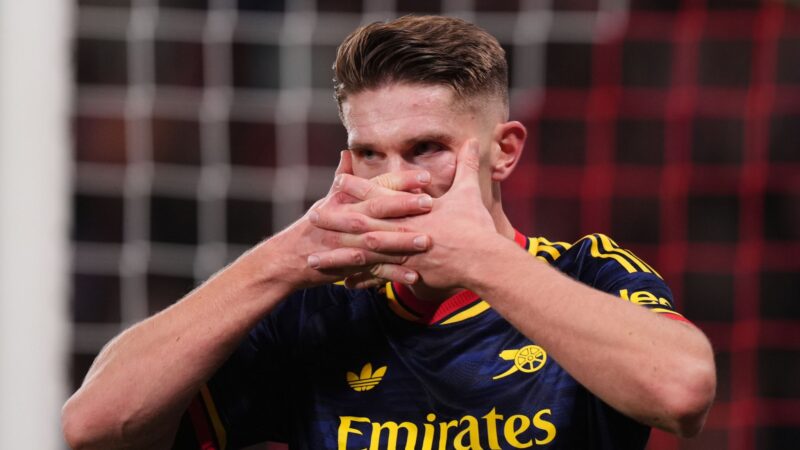
Arsenal beat Slavia Prague 2-1 as Gyökeres scores and assists in Prague
Data + AI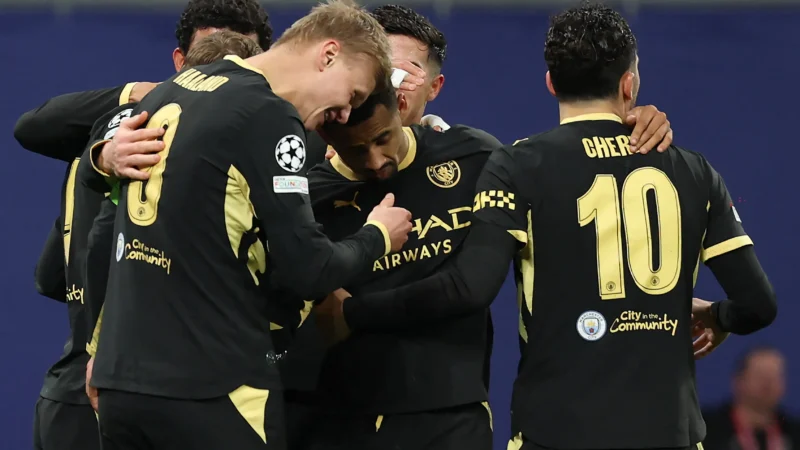
Manchester City player ratings: Haaland decisive as Ndiaye impresses in Leipzig win
Human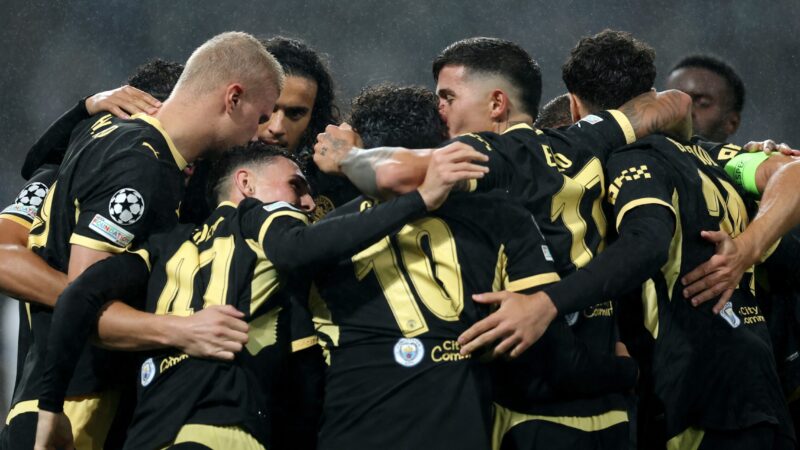
RB Leipzig 2-3 Man City: Haaland winner settles five-goal Champions League contest
Human
Liverpool player ratings vs Fenerbahce: Nyoni and Isak earn 7s as Jacquet struggles in 3-2 defeat
Human
Fenerbahce 3-2 Liverpool: Reds throw away lead twice as Muriqi ends perfect European start
Human