 Premier League
 Championship
 EFL One & Two
 Scottish Premiership
 WSL
 Champions League
 Europa League
 FA Cup
 Carabao Cup
 Arsenal News
 Aston Villa News
 Chelsea News
 Liverpool News
 Man City News
 Man Utd News
 Newcastle News
 Tottenham News
 Premiership Rugby
 URC
 Six Nations
 Nations Championship
 Bath
 Leicester Tigers
 Saracens
 Northampton Saints
 Harlequins
 Bristol Bears
 Leinster
 Munster
 Glasgow Warriors
 Cardiff


Granit Xhaka gives Sunderland a rotation dilemma after Torreense rescue
Granit Xhaka helped Sunderland escape with three points against Torreense, but his influence from the bench leaves Régis Le Bris with a question that will follow them through…

Granit Xhaka helped Sunderland escape with three points against Torreense, but his influence from the bench leaves Régis Le Bris with a question that will follow them through their European campaign: how much can he change without losing the combinations that make his side dangerous?
Noah Sadiki delivered the decisive finish in Sunderland’s 2–1 comeback victory, volleying home Xhaka’s knockdown in stoppage time. Jules Ahoka had earlier headed the visitors level after Volnei Feltes put Torreense ahead.
The two goals came from midfielders who had started the match. The assists came from players introduced during Le Bris’ second-half reshuffle.
That combination offers a useful starting point for assessing a difficult evening. Sunderland’s replacements brought the delivery, while players already on the pitch supplied the finishes.
How Granit Xhaka changed Sunderland’s attack
Le Bris made seven changes to his starting side, with Xhaka, Enzo Le Fée, Nordi Mukiele and Reinildo among those held back.
All four were introduced with Sunderland trailing. Mukiele subsequently crossed for Ahoka’s equaliser, before Xhaka supplied Sadiki for the winner. The four-man intervention transformed the result, although Sunderland had to wait until the 93rd minute to complete their comeback.
Xhaka’s contribution extended beyond the winning goal.
With the scores level, he picked out Ahoka for another clear opportunity, only for the midfielder’s effort to be saved by Maarten Paes. It was an earlier example of Xhaka finding a teammate in a position to hurt Torreense.
His knockdown for Sadiki then provided the final touch before the winner. Across those two moments, his value was direct: Sunderland had a midfielder capable of supplying the players attacking the penalty area.
That influence earned him the highest mark in our Sunderland player ratings against Torreense.
Ahoka and Sadiki benefited from the changes
The effect on the other midfielders matters when Le Bris considers his next selection.
Roker Report’s assessment highlighted the greater attacking freedom enjoyed by Ahoka and Sadiki after Xhaka’s introduction. Le Fée also helped Sunderland combine down the left, while Mukiele supplied the delivery for the equaliser.
The tactical lesson is therefore broader than Xhaka’s individual performance. Changing the players around Ahoka and Sadiki also changed the jobs they could perform.
Both ended up scoring. Their contributions give Le Bris something to preserve when he rotates again: midfielders able to attack the box, supported by teammates who can find them.
There were opportunities before the substitutions, too. Nilson Angulo forced a save with a header and Omar Alderete failed to convert the rebound. Sunderland’s starting side had begun to threaten before the experienced quartet arrived.
That makes a blanket verdict on the rotated team too harsh. Le Bris needs to judge which combinations struggled and which players became more effective once the support around them changed.
Brighton defeat offers a useful warning
Xhaka’s presence alone cannot guarantee a fluent Sunderland attack.
He started the recent 2–0 defeat by Brighton, when Sunderland struggled to make their possession count despite playing against ten men for much of the second half.
One of their more promising moves that afternoon involved Xhaka releasing Le Fée down the left before a delivery reached Wilson Isidor. Our analysis of Sunderland’s problems against Brighton highlighted the value of that movement around the ball.
The comparison matters. Selecting the experienced players is only part of the answer. Sunderland also need runners offering options and players arriving to meet the final delivery.
A sensible next step would be to stagger changes across those relationships. Keeping a familiar passer alongside a rotated midfielder, or retaining an established combination on one flank, could give the side more continuity while still sharing the workload.
Le Bris’ substitutions worked in Portugal. The next challenge is to preserve more of that attacking connection from the start.
Related
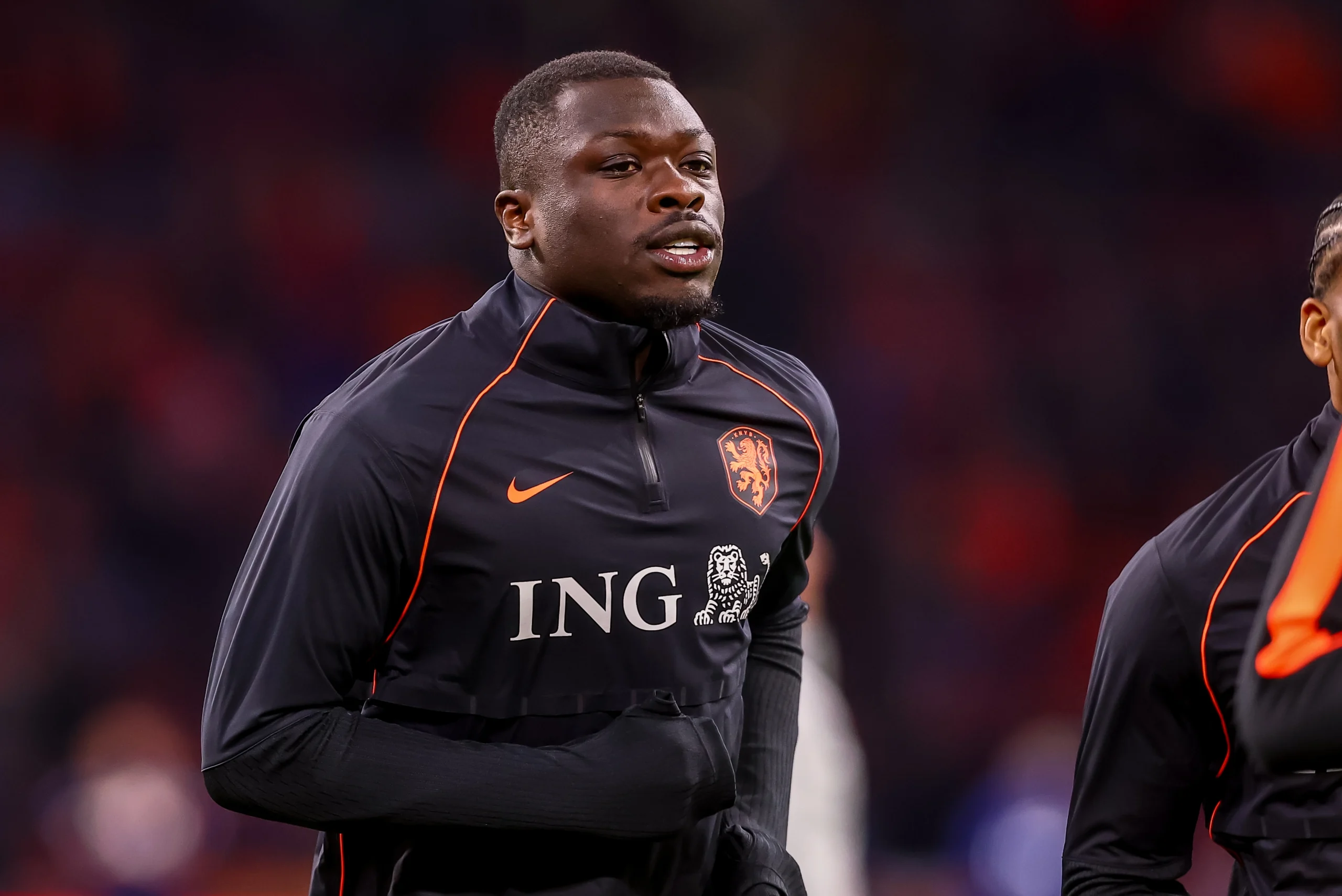
Brian Brobbey signs new Sunderland contract until 2031 as striker targets more after European breakthrough
Human
How to watch Sunderland vs Dinamo Zagreb: UK TV channel, live stream and Europa League kick-off time
Human
How to watch Celtic vs Besiktas: UK TV channel, live stream and Europa League kick-off time
Human
How to watch Sparta Prague vs Bournemouth: UK TV channel, live stream and Europa League kick-off time
Human
How to watch Crystal Palace vs Hoffenheim: UK TV channel, live stream and Europa League kick-off time
Human