
 Premier League
 Championship
 EFL One & Two
 Scottish Premiership
 WSL
 Champions League
 Europa League
 FA Cup
 Carabao Cup
 Arsenal News
 Aston Villa News
 Chelsea News
 Liverpool News
 Man City News
 Man Utd News
 Newcastle News
 Tottenham News
 Premiership Rugby
 URC
 Six Nations
 Nations Championship
 Bath
 Leicester Tigers
 Saracens
 Northampton Saints
 Harlequins
 Bristol Bears
 Leinster
 Munster
 Glasgow Warriors
 Cardiff
World Series Of Darts Explained: The Format, The 2026 Legs And The Finals
Eight PDC stars, eight local qualifiers and a stage on the other side of the world. The World Series of Darts is the PDC's travelling roadshow — the…
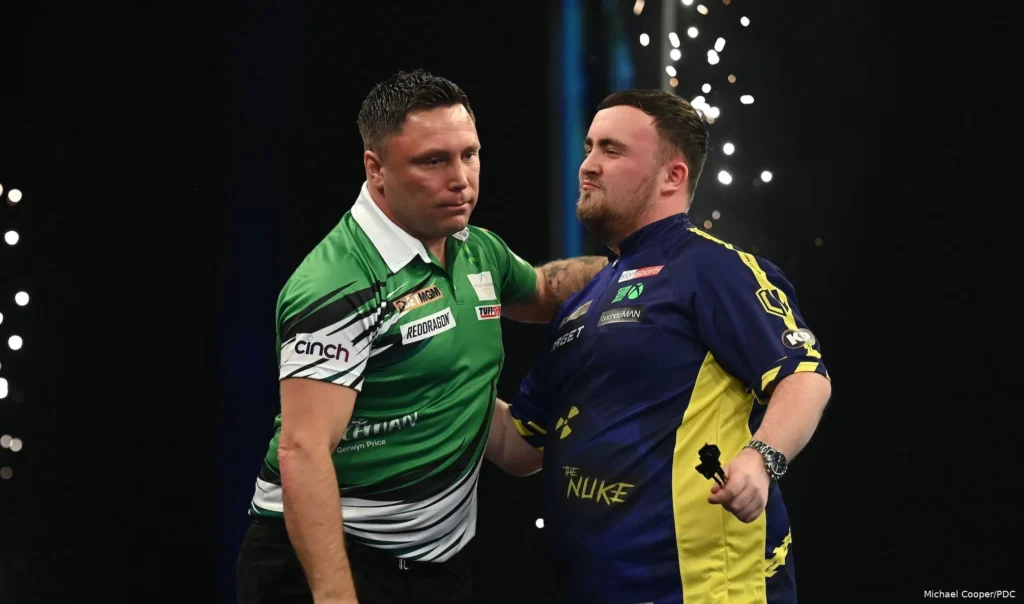
Eight PDC stars, eight local qualifiers and a stage on the other side of the world. The World Series of Darts is the PDC’s travelling roadshow — the arm of the sport that takes Luke Littler, Michael van Gerwen and Luke Humphries to New York, Wollongong and New Zealand rather than Blackpool or Minehead. It is fast, it is loud, and every leg carries the same trapdoor: one bad night against a home qualifier and a world champion is on the plane home. Here is how it works, what is at stake, and where the 2026 series stands with the Finals now a fortnight away.
What is the World Series of Darts?
Launched in 2013, the World Series of Darts is a set of invitational events staged outside the PDC’s traditional UK and European circuit. The idea is simple: take the biggest names in the sport to markets where darts is growing, and put them in front of a home crowd that has rarely, if ever, seen them throw in the flesh. Over the years the series has taken in Australia, New Zealand, Dubai, Copenhagen, Germany, the Netherlands and, most recently, Madison Square Garden in New York.
Each event is a standalone knockout. There is no group stage, no round-robin safety net and no second chance — which is exactly why the World Series produces upsets that a ranking major, with its longer formats, tends to iron out.
The World Series of Darts format explained
A typical leg is a 16-player field split down the middle. Eight places go to the PDC’s nominated World Series representatives — the elite invitees, usually drawn from the top of the PDC Order of Merit. The other eight go to regional players: continental tour winners, national champions and qualifiers from the host country’s own circuit.
The draw then does the interesting bit. Every first-round tie pairs one PDC representative with one regional qualifier, so the locals are guaranteed a marquee scalp to chase on night one. Survive that and the quarter-finals, semi-finals and final are all played the following evening, with the matches lengthening as the weekend goes on. It is a format built for television and for atmosphere rather than for attrition.
It also works. In August, Australian qualifier Brody Klinge ran from the qualifying route all the way to a World Series final — the kind of story the format exists to create.
The 2026 World Series legs
The 2026 series has already delivered two of the year’s better narratives. At Madison Square Garden in June, Luke Humphries retained the US Darts Masters by beating Luke Littler in a deciding leg, a rare night where the sport’s dominant force was second best. Then came the Oceania double-header in August, with Littler skipping both legs during a scheduled break — and James Wade winning the Australian Darts Masters in Wollongong for the first World Series title of a long and decorated career.
Those absences matter more than they look. Because the fields are invitational and the calendar is spread across three continents, the World Series rewards players willing to travel. Miss two legs and the seeding maths for the Finals starts working against you.
The World Series of Darts Finals 2026
Everything funnels into the World Series of Darts Finals, staged from 17 to 20 September. Qualification comes through the World Series Order of Merit — a standalone table built only from prize money won on the series itself — topped up by leading players from the PDC Order of Merit and a set of regional and tour qualifiers. The field is larger than a standard leg, at 24 players, with the leading eight seeded through to the second round while the rest fight it out from round one.
The 2026 line-up is set: Littler and Van Gerwen headline the field, with Rob Cross the last man in. It is the final televised event before the autumn ranking majors begin, which makes it a genuine form marker rather than a dead rubber — the World Grand Prix and its double-start format follow from 28 September.
Does the World Series count towards the darts rankings?
No. This is the single most common misunderstanding about the series, and it is worth being blunt: World Series events are non-ranking. Prize money won in New York, Wollongong or New Zealand does not go on the two-year PDC Order of Merit, and it does not move a player up or down the world rankings.
What it does count towards is the World Series Order of Merit, which decides who gets invited back and who is seeded at the Finals. So a title is worth real money and real seeding value — it just will not help anyone climb towards world No.1. That spot belongs to Littler, who arrives at the Finals as reigning world champion, 2026 Premier League champion and World Matchplay holder, with a ranking lead of roughly three times his nearest rival’s.
Why the World Series matters
Strip away the rankings argument and the value is obvious. The World Series is how the PDC builds markets: the ESPN broadcast deal, the sold-out Madison Square Garden theatre and the Oceania legs all exist because the sport keeps turning up. It is also the only regular route for a Wollongong qualifier or a North American tour player to share an oche with a world champion on live television.
For the elite, it is a low-risk, high-reward fortnight of travel. For everyone else, it is the door. Full fields, schedules and prize money for every leg are published on the PDC’s official site, and our guide to watching darts in 2026 has the channels for the Finals and the whole autumn run-in.
Follow Nine Dart News on X and Facebook for every darts result.
Related
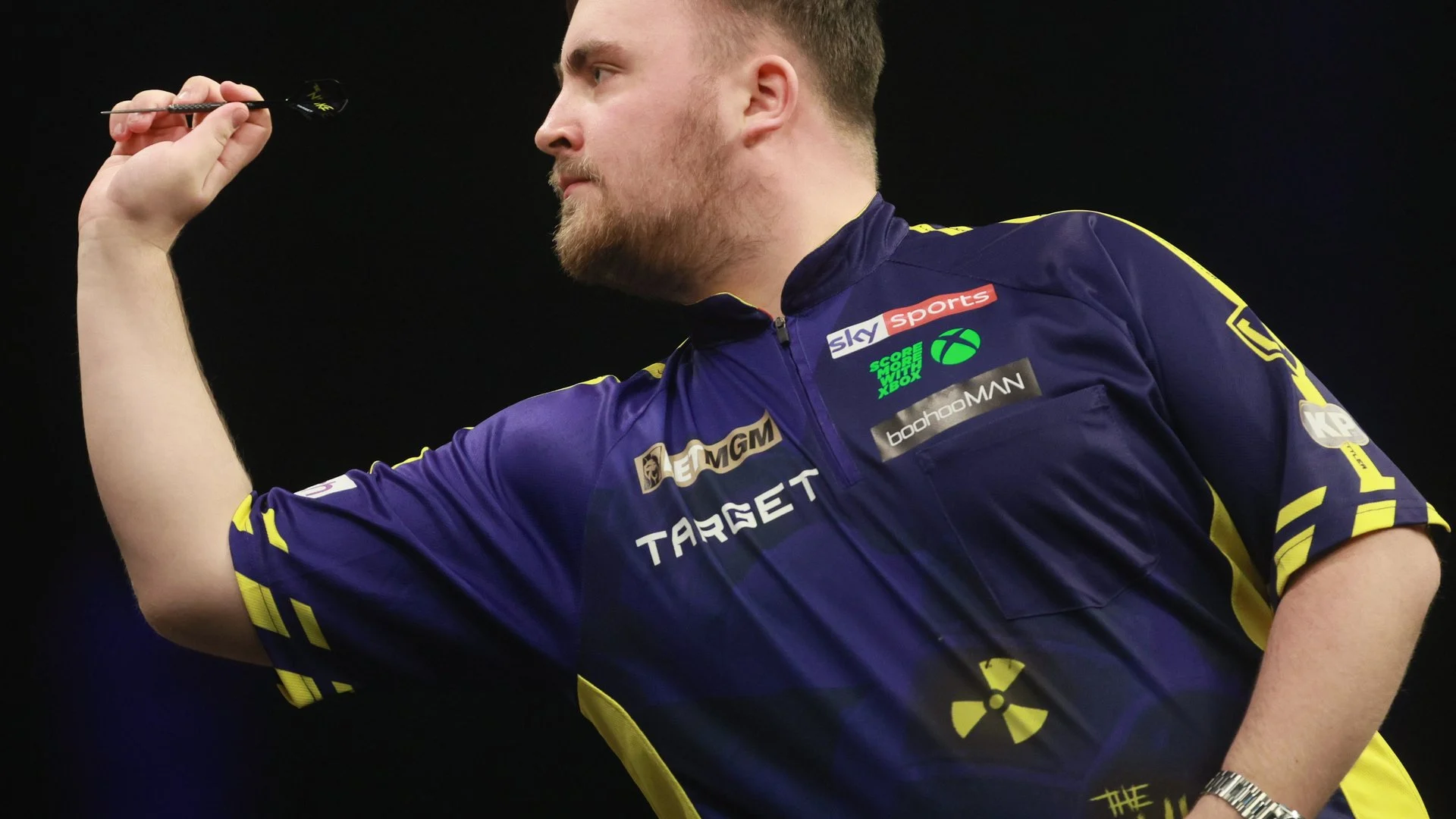
Luke Littler to miss Players Championship Finals as Anderson and Aspinall face last-chance battle
Human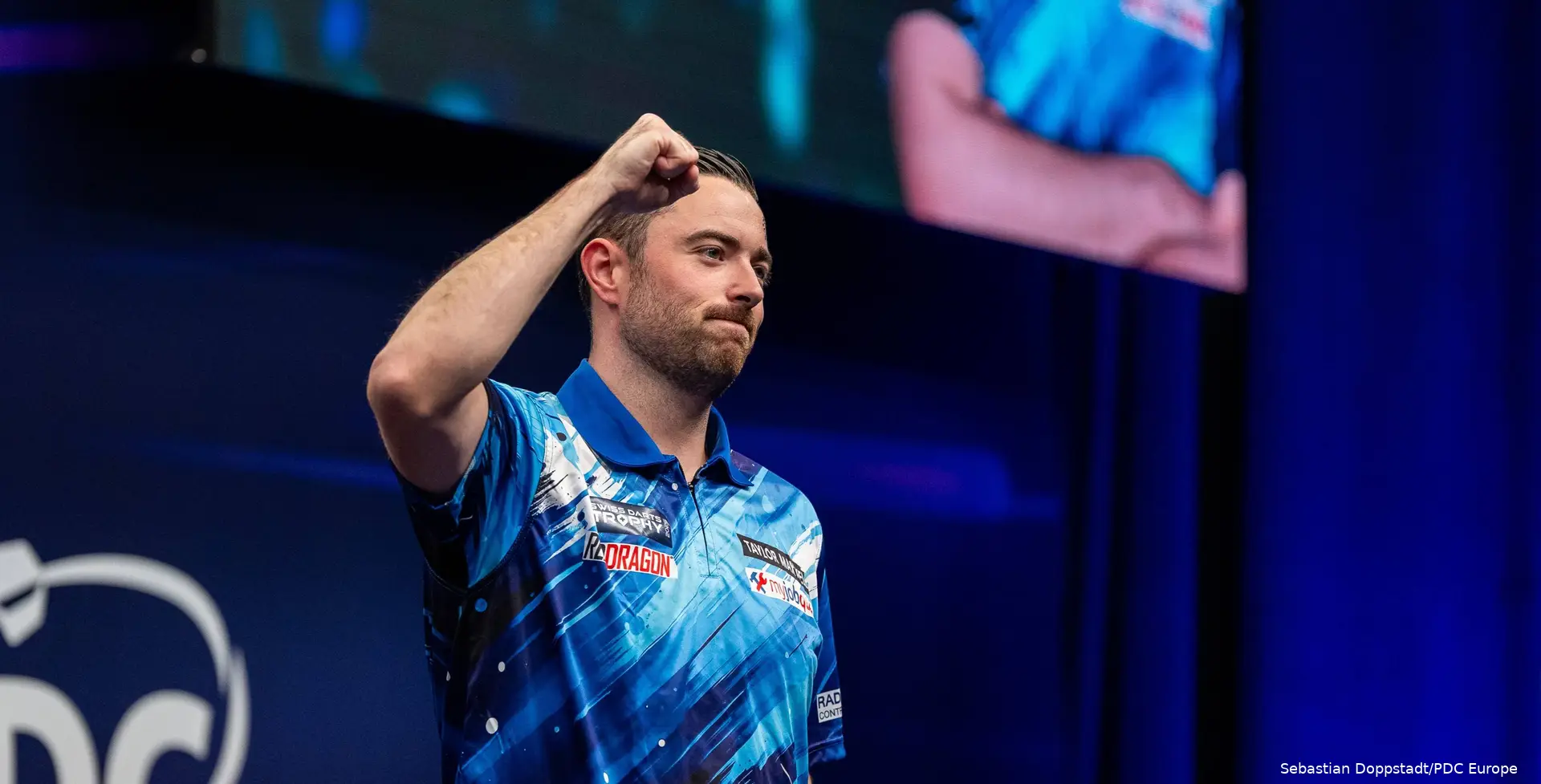
Players Championship 33 and 34: how to watch, UK start times and the race for Minehead
Human
Fallon Sherrock ranking: why her £501,000 win does not count
AI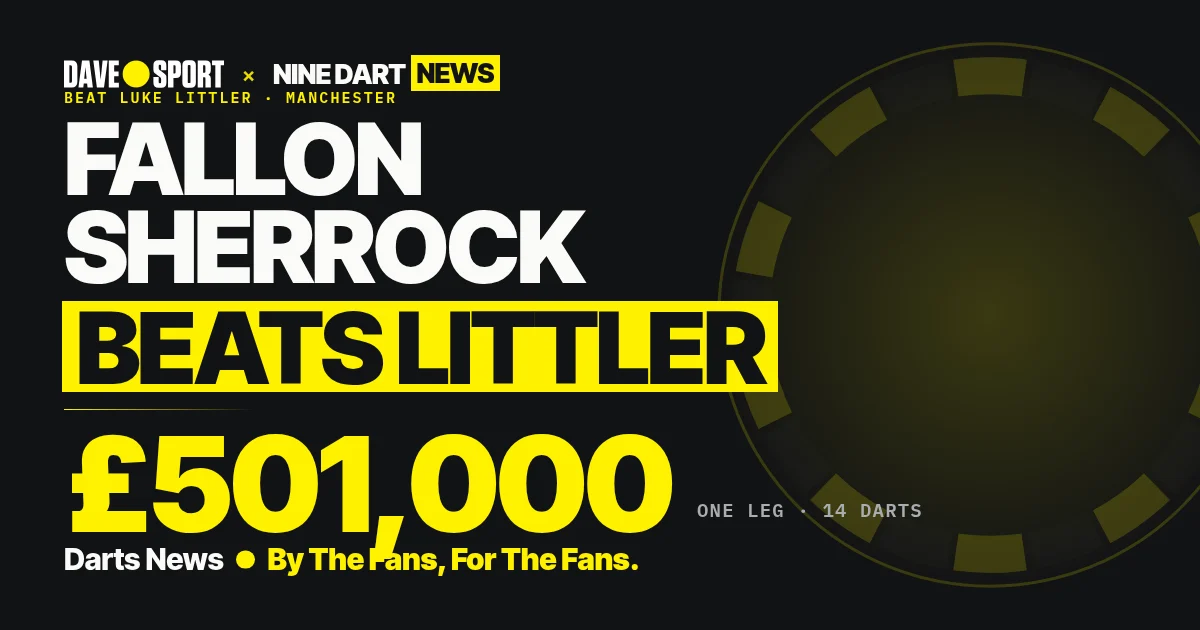
Fallon Sherrock beats Luke Littler to win £501,000 on Netflix
AI
Everything that matters in sport today, Friday 30 October 2026
Human