
 Premier League
 Championship
 EFL One & Two
 Scottish Premiership
 WSL
 Champions League
 Europa League
 FA Cup
 Carabao Cup
 Arsenal News
 Aston Villa News
 Chelsea News
 Liverpool News
 Man City News
 Man Utd News
 Newcastle News
 Tottenham News
 Premiership Rugby
 URC
 Six Nations
 Nations Championship
 Bath
 Leicester Tigers
 Saracens
 Northampton Saints
 Harlequins
 Bristol Bears
 Leinster
 Munster
 Glasgow Warriors
 Cardiff
World Grand Prix Darts Explained: The Double-Start Format And 2026 Dates
The World Grand Prix darts is the one major that flatly refuses to behave. Every other tournament on the PDC calendar asks a player to finish on a…

The World Grand Prix darts is the one major that flatly refuses to behave. Every other tournament on the PDC calendar asks a player to finish on a double. This one makes them start on one as well — and that single tweak has been humbling the best throwers on the planet since 1998.
The 2026 edition runs from 28 September to 4 October, the first ranking TV major of the autumn. Here is what the double-start format actually does to a darts match, why it keeps producing champions nobody backed, and what it sets up for a Luke Littler season that has so far gone almost exactly to plan.
What is the World Grand Prix?
It is a full ranking major, played over sets rather than straight legs, with a 32-player field. Half of those places go to the top 16 of the PDC Order of Merit, the other half to the leading names on the one-year Pro Tour list — so the draw always mixes the household names with somebody who has spent the year grinding out floor finals in a sports hall.
For two decades it belonged to Dublin, where the Citywest crowd gave it an atmosphere unlike anything else on the schedule. It has been staged in England in more recent years, but the identity has never really moved: this is the awkward one, the major that rewards a completely different skill set.
The double-start rule, explained
In standard darts you race to zero from 501 and only the final dart has to land in a double. At the World Grand Prix, the leg does not even begin until you hit a double. Miss with all three and you have thrown a visit worth nothing at all — the scoreboard still says 501.
Everything else works as normal. It is still 501, still double to finish, still a bust if you overthrow. If you want a refresher on the underlying laws, our darts rules explainer covers the standard version. The Grand Prix simply bolts one extra gate onto the front of every single leg.
Why it wrecks the big names
Because scoring power — the thing that separates the elite from everybody else — briefly stops mattering. A player who averages 105 is enormously dangerous over a normal leg. He is no more dangerous than anyone else while he is hunting double 16 just to get going.
Three things follow. Averages collapse, because those blank visits still count: a Grand Prix 90 is worth far more than a 90 anywhere else. Momentum turns on its head, since throwing against the darts is much less of a handicap when your opponent can spray three darts into the treble bed and score nothing. And doubling, not scoring, becomes the whole tournament. Players who live on their finishing suddenly have the edge on players who live on their 180s.
That is why the roll of honour carries names you would not find on other majors, and why so many first-round exits here belong to seeds who cruise through everywhere else. The opening round is a best-of-three-sets sprint, which leaves almost no room to find a rhythm before the match is gone. Survive long enough and you reach a best-of-11-sets final, one of the longest matches in the sport.
The perfect leg that should not exist
The format’s signature moment came in 2011, when Brendan Dolan threw the first double-start nine-darter in televised history. It remains the great party piece of the tournament: a nine-dart leg that has to open on a double leaves a far narrower set of routes to zero than the version you see at Ally Pally. Rare then, rare now — and worth reading our nine-dart finish explainer to see just how much narrower.
The other end of the record book makes the same point. Phil Taylor won the World Grand Prix 11 times, a haul so far clear of the field that it says as much about his double-hitting as his scoring. Michael van Gerwen has been the dominant modern figure. Between and around them sit champions who never got near a major title anywhere else.
What is at stake in 2026
Plenty. Luke Littler arrives as reigning PDC World Champion, having beaten Gian van Veen 7–1 in the January final, and as world number one by a distance. He has also taken the World Masters, the UK Open, the Premier League and July’s World Matchplay, where he saw off Gerwyn Price 18–9 in Blackpool. Our piece on his 2026 clean-sweep bid lays out how unusual that run is.
The Grand Prix is the next ranking major on the list, and the format is the obvious place for a run like that to trip. We looked at exactly that problem in our World Grand Prix double-start test. Behind him the Order of Merit is genuinely tight: Van Veen sits at roughly number two with Luke Humphries a couple of thousand pounds adrift, and one deep run in these conditions could flip that order on its own.
When it is on
28 September to 4 October, with the draw and full schedule confirmed on the PDC’s official site nearer the time. Our guide to watching darts in 2026 covers the channels and streaming options.
One last thing worth saying plainly, because the internet will tell you otherwise: nobody has won the 2026 World Grand Prix. It has not been played. The board is blank, the doubles are waiting, and on current evidence at least one heavily fancied name is going to miss six of them and go home on the Monday.
Follow Nine Dart News on X and Facebook for every darts result.
Related
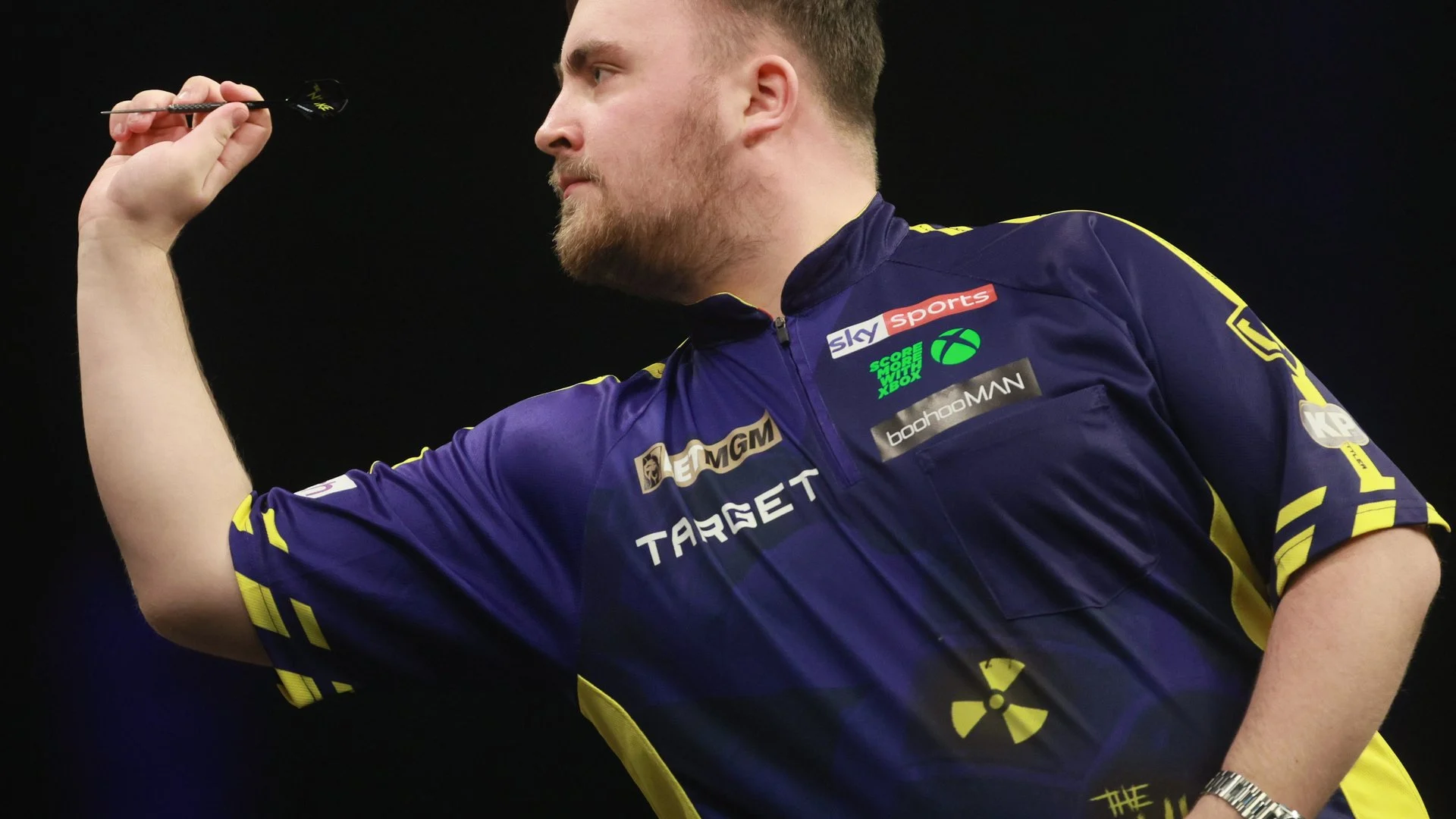
Luke Littler to miss Players Championship Finals as Anderson and Aspinall face last-chance battle
Human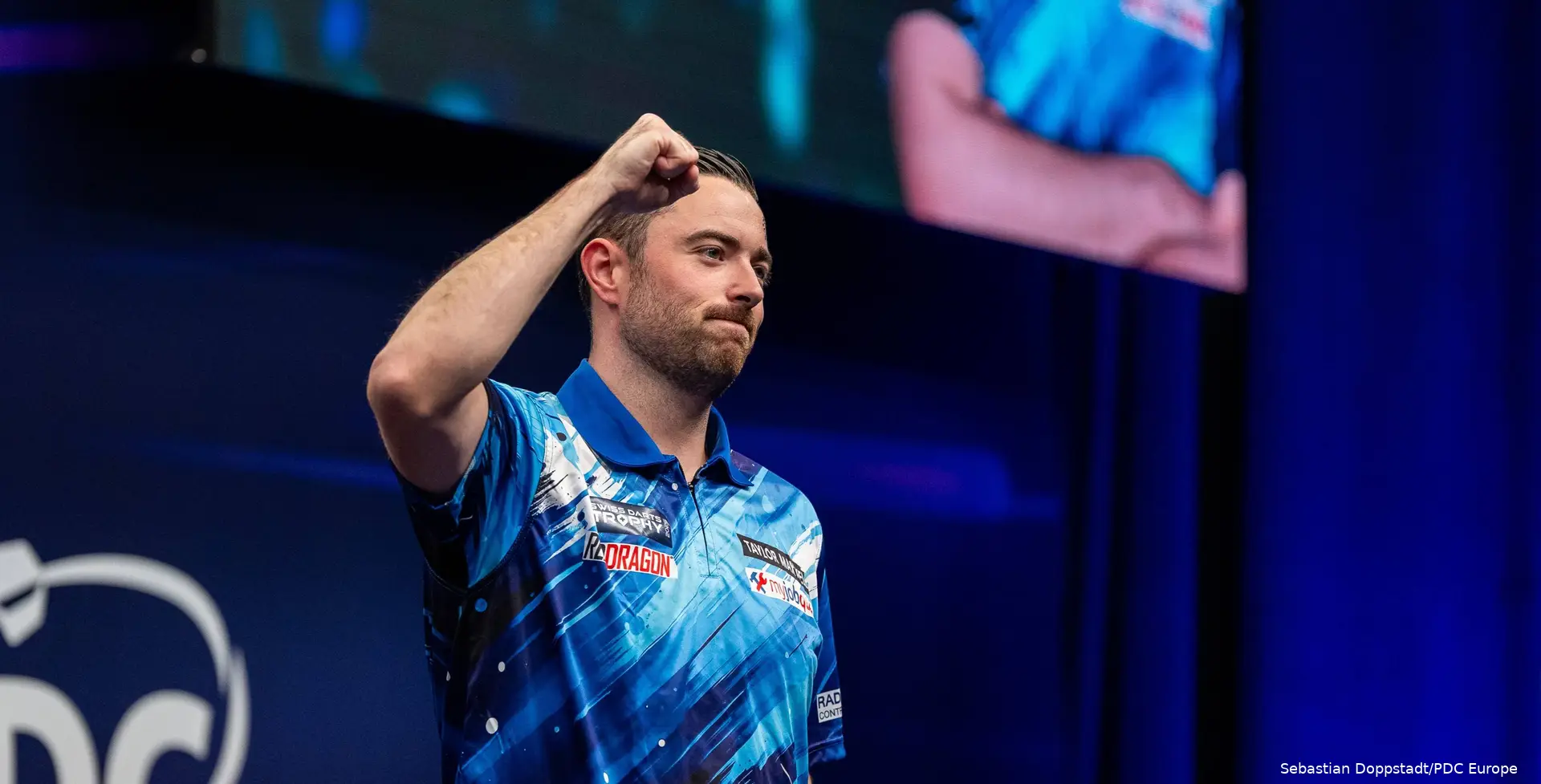
Players Championship 33 and 34: how to watch, UK start times and the race for Minehead
Human
Fallon Sherrock ranking: why her £501,000 win does not count
AI
Fallon Sherrock beats Luke Littler to win £501,000 on Netflix
AI
Everything that matters in sport today, Friday 30 October 2026
Human