
 Premier League
 Championship
 EFL One & Two
 Scottish Premiership
 WSL
 Champions League
 Europa League
 FA Cup
 Carabao Cup
 Arsenal News
 Aston Villa News
 Chelsea News
 Liverpool News
 Man City News
 Man Utd News
 Newcastle News
 Tottenham News

 Premiership Rugby
 URC
 Six Nations
 Nations Championship
 Bath
 Leicester Tigers
 Saracens
 Northampton Saints
 Harlequins
 Bristol Bears
 Leinster
 Munster
 Glasgow Warriors
 Cardiff


PDC Tour Card Explained: Q-School, The Top 64 And How To Turn Pro
Every professional darts career starts with the same piece of plastic. A PDC Tour Card is the two-year membership that separates a pub-league thrower from a player who…
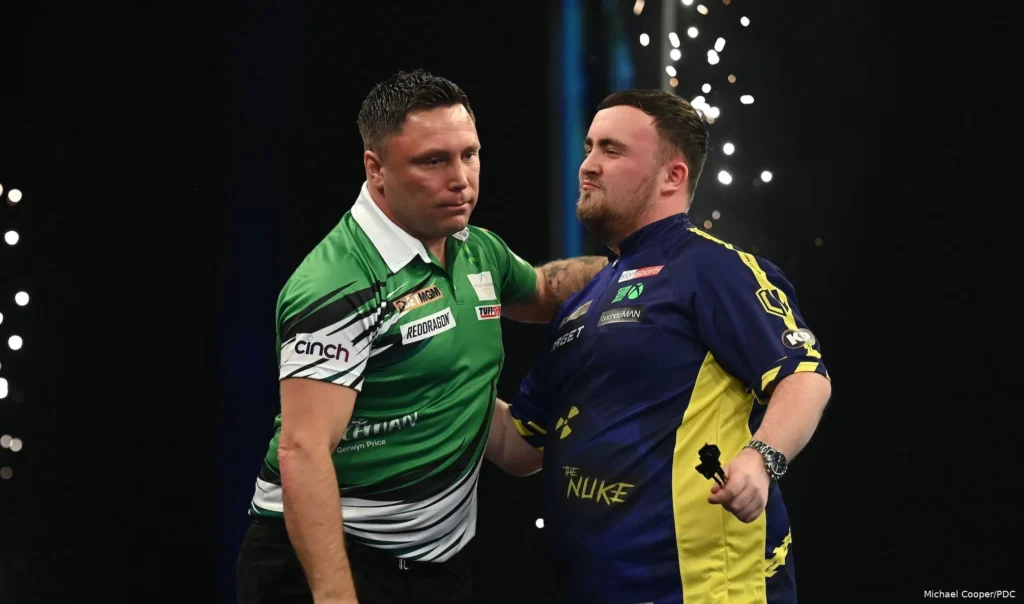
Every professional darts career starts with the same piece of plastic. A PDC Tour Card is the two-year membership that separates a pub-league thrower from a player who can earn a living at the oche — and each January, hundreds of players spend four brutal days at Q-School trying to win one. Here is what the card actually gives you, how the qualifying school works, and why the top 64 sleep more soundly than everyone else.
What is a PDC Tour Card?
A Tour Card is the PDC’s professional membership. There are 128 of them in circulation at any one time, and holding one grants entry to the Players Championship events that make up the ProTour — roughly 30 one-day ranking tournaments a year, staged mostly in England and Germany in front of a few hundred people rather than a television audience.
That sounds unglamorous. It is also where the money and the ranking points live. Every pound won on the ProTour goes on to the two-year PDC Order of Merit, which is the table that decides who gets into the televised majors, who is seeded when they get there, and who ends up at Alexandra Palace in December. No card means no ProTour, and no ProTour means climbing that table is close to impossible.
The card also unlocks the qualifying route into the European Tour, and it is the baseline requirement for most of the sport’s other floor circuits. In practical terms, it is the difference between chasing darts and having a job in darts.
How long does a Tour Card last?
Two years. The cycle runs alongside the Order of Merit, and at the end of it the maths is simple and merciless: the top 64 players on the two-year table keep their cards automatically. Everyone from 65th down loses professional status and has to win it back.
That single line explains an enormous amount of what happens on the darts calendar. It is why the final Players Championship weekend of a cycle is played with a very different kind of tension to the first, and why so many of our news stories in a given month are about a player needing one more result to stay on the right side of a cut-off. A run to a quarter-final in Leicester in the autumn can be worth two more years of a career.
How to win a PDC Tour Card at Q-School
Q-School is the front door, and it opens every January. The PDC stages two schools simultaneously — a UK edition and a European edition — each awarding its own allocation of cards, with players choosing which one to enter.
The structure comes in two parts:
- First Stage — an open qualifying event across several days. Anyone who has paid the entry fee and meets the eligibility rules can throw. Only a set number of players progress, and the vast majority of entrants go home here.
- Final Stage — four days of knockout darts for the survivors, plus the players who were already exempt into this stage. This is where the cards are handed out.
Cards are awarded two ways. Win one of the four Final Stage days outright and you get one on the spot. The remaining cards go to the players who accumulate the most across the four days on the Q-School Order of Merit — a table built purely from those four days of results. So there are two viable strategies: one perfect day, or four consistent ones. Neither is comfortable. Players routinely go into the final afternoon needing to win two or three legs’ worth of the right results to make up a place.
The other routes on to the ProTour
Q-School is the main road, not the only one. The PDC also hands cards to the leading finishers on its two feeder circuits: the Development Tour, for players aged 16 to 23, and the Challenge Tour, which is open to those who missed out at Q-School. Top the Order of Merit on either and you skip the January scramble entirely.
A further handful of cards go to leading players from the PDC’s regional circuits around the world, which is how the tour keeps a pipeline running from Asia, Oceania and North America rather than relying on players flying to Wigan on their own money. Tour Card holders now include Beau Greaves, who has since become the first woman to win a PDC ranking title.
Luke Littler took the Q-School route too
It is worth remembering that the best player in the world was, very recently, on the wrong side of this system. Luke Littler reached the World Championship final at Alexandra Palace as a teenager without a Tour Card, and had to go to Q-School the following January to earn one — a fortnight after being watched by millions on Sky Sports, he was back on the floor in a sports hall winning his professional status the hard way.
He has not looked back. Littler is now the reigning world champion, the 2026 Premier League champion and the world No.1 with roughly three times the ranking money of his nearest rival, having won five majors in a single season. His rivalry with Luke Humphries is the sport’s marquee fixture, and his name is on the list of world champions twice over. Both of those things began with a card won on a January morning in front of almost nobody.
What a Tour Card is really worth
The honest answer is that it is worth an opportunity rather than a salary. Plenty of card holders lose money in a season once travel, entry costs and accommodation are counted, and the ProTour is unforgiving of a bad run — there is no appearance fee for going out in the first round on a Tuesday in Leicester.
But the card is the only realistic route to everything the sport is famous for. The Premier League field is picked from the elite; the autumn majors are stacked with Order of Merit qualifiers; and the World Series invitations go to the players at the top of the table. Every one of those doors is on the other side of 128 Tour Cards.
Q-School dates, entry criteria and the full Tour Card list are confirmed each winter on the PDC’s official site, and our guide to watching darts in 2026 has the channels for the events those cards lead to.
Follow Nine Dart News on X and Facebook for every darts result.
Related
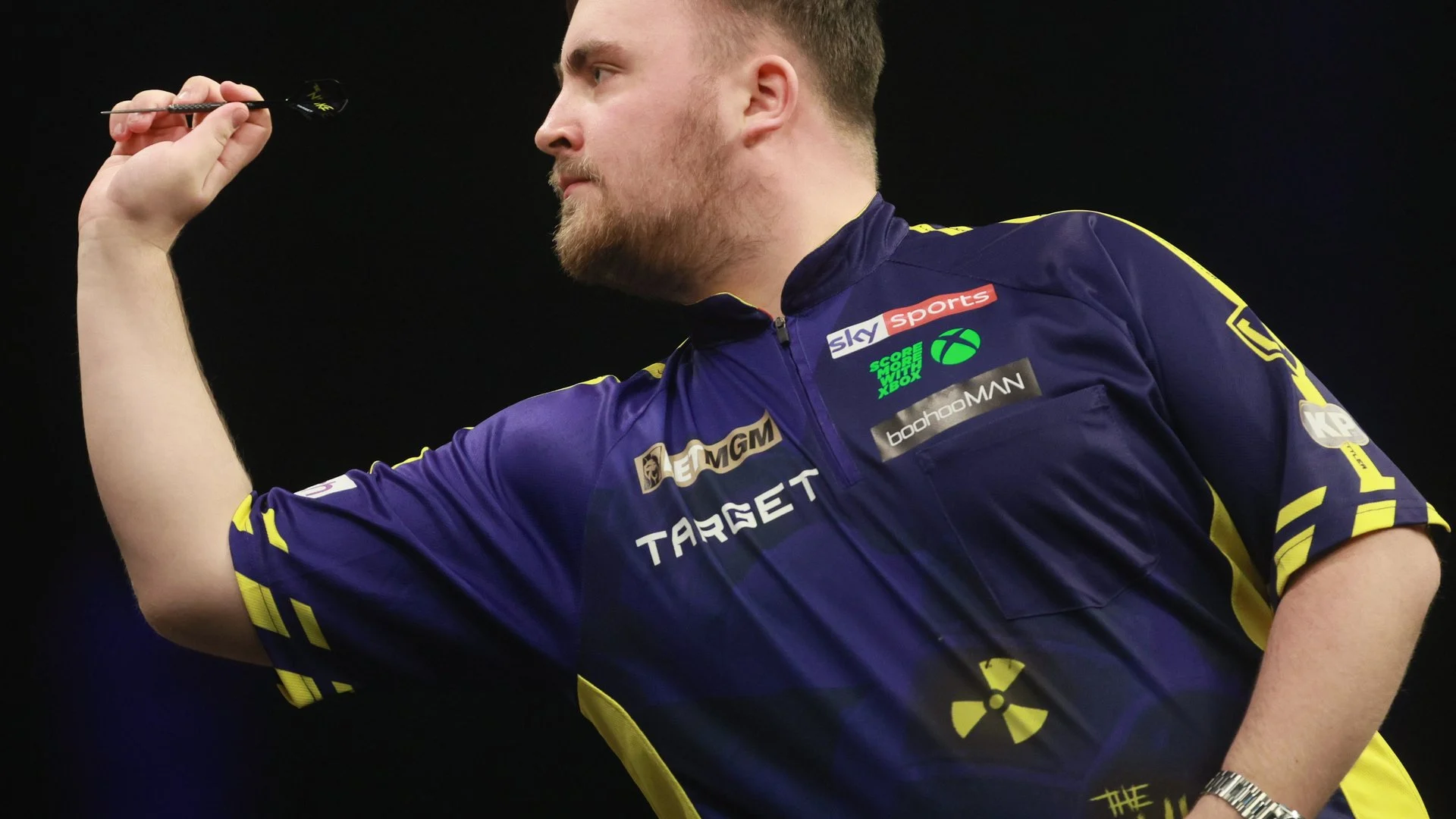
Luke Littler to miss Players Championship Finals as Anderson and Aspinall face last-chance battle
Human
Players Championship 33 and 34: how to watch, UK start times and the race for Minehead
Human
Fallon Sherrock ranking: why her £501,000 win does not count
AI
Fallon Sherrock beats Luke Littler to win £501,000 on Netflix
AI
Everything that matters in sport today, Friday 30 October 2026
Human