
 Premier League
 Championship
 EFL One & Two
 Scottish Premiership
 WSL
 Champions League
 Europa League
 FA Cup
 Carabao Cup
 Arsenal News
 Aston Villa News
 Chelsea News
 Liverpool News
 Man City News
 Man Utd News
 Newcastle News
 Tottenham News
 Premiership Rugby
 URC
 Six Nations
 Nations Championship
 Bath
 Leicester Tigers
 Saracens
 Northampton Saints
 Harlequins
 Bristol Bears
 Leinster
 Munster
 Glasgow Warriors
 Cardiff

Luke Littler £501k Challenge: Phil Taylor Warns World Champion
Phil Taylor warns Luke Littler that amateur rivals in the £501k challenge are producing world-class legs ahead of the Manchester final.
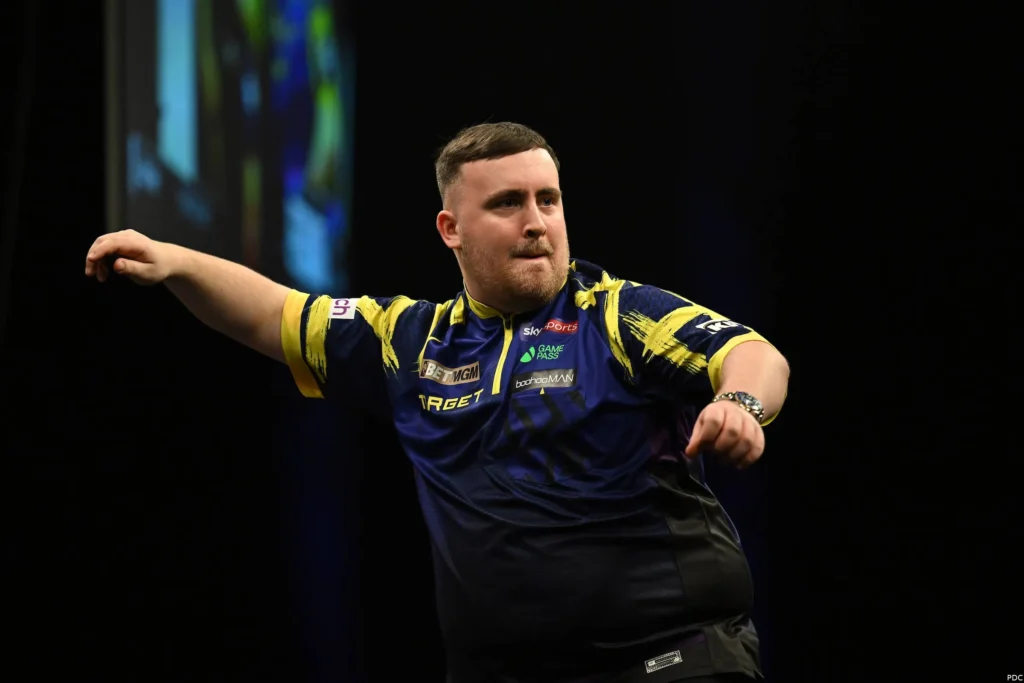
Thousands of amateur darts players queued through the doors of Manchester Central Convention Complex this week. Each one chased the same prize: a shot at £501,000 and a place on the oche against Luke Littler. The open challenge, confirmed by producers earlier this year, has turned an ordinary audition hall into one of the most talked-about rooms in British darts.
The scale of the prize is rare in darts, a sport built on modest club-night stakes and gradual progression through the ranks. An amateur route to £501,000 against the reigning world champion is not something this sport has offered before. That is why so many players treated the auditions as a once-in-a-career opportunity.
Littler himself set the tone back in July, releasing a video message that laid down the gauntlet in typically blunt fashion. “Reckon you could beat me in a game of darts? Let’s go.”
For a player already known across the sport for his iconic Greenlight walk-on music, this challenge drew a different kind of crowd. Club players, pub veterans and hopefuls with nothing to lose signed up in their thousands.
The £501,000 Manchester Auditions That Shook Up the Open Circuit
The scale of interest surprised even those running the process. Manchester Central hosted the second and final round of auditions, drawing a bigger crowd than organisers had expected when the challenge was first announced.
Entrants travelled from across the country. Many had never faced anything close to televised pressure before stepping up to throw. For the amateur circuit that feeds into professional darts, auditions of this size are unusual in themselves.
Players who might otherwise spend years working through qualifying schools found a single afternoon in Manchester instead. It offered a far quicker route to national attention, regardless of whether they eventually reach the final 20. That is precisely the kind of shake-up the open circuit rarely sees.
What began as a novelty concept an open door for amateurs to test themselves against the world champion has become something closer to a genuine talent search. The BBC News report on the Manchester auditions captured a scene of nervous energy and long queues, with hopefuls arriving hours early to secure a place at the oche.
Behind the noise sits a serious sporting exercise. Producers are not simply filling a quota of enthusiastic amateurs; they are building a field capable of testing Littler under real competitive strain. The numbers involved suggest they have succeeded.
Inside the 24-Dart Cut-off and the Manchester Central Selection Panel
Entry to the process is far from casual. Every candidate had to complete a leg of 501 in 24 darts or fewer simply to advance a demanding benchmark that separated serious players from the merely enthusiastic. Those unfamiliar with the scoring behind that requirement can revisit the standard 501 checkout mathematics that underpins every leg in the sport.
Clearing that cut-off was only the beginning. Successful candidates then moved through a producer interview before facing a panel assessment — a stage built to judge temperament under scrutiny just as much as accuracy. That panel carried genuine weight: PDC chairman Barry Hearn, broadcaster Laura Turner, and sixteen-time World Champion Phil Taylor sat in judgement at the Manchester Central auditions.
Barry Hearn has overseen the growth of professional darts for decades, turning it from a pub pastime into a stadium sport with televised finals watched around the world. Laura Turner brings a broadcaster’s eye for players who perform under pressure rather than only those who look sharp in practice. Between the three judges, the Manchester panel carried the kind of collective experience few amateur competitions in any sport could match.
Taylor’s presence gave the process real authority. Few figures in darts history are better placed to separate a promising amateur from a player who might trouble Littler on the night. His verdict on the standard produced in Manchester carried real weight for everyone involved.
11-Dart Amateurs and Phil Taylor’s World Championship Level Warning
Taylor did not hold back when describing what he witnessed inside the audition hall. Legs completed in under a dozen darts are rare even among the sport’s elite, yet Taylor confirmed seeing exactly that from candidates with no professional background at all.
“We are seeing people complete the qualifying legs in 11 and 12 darts, with big finishes so the quality of the 20 finalists is going to be extremely high.”
A perfect leg of darts takes nine darts; anything in the 11-to-13 range still counts among the very best finishes a player can produce. For amateurs with day jobs and no coaching set-up to be reaching that standard under audition pressure is a measure of how seriously the Manchester field trained for this chance.
Those are figures more often associated with the world ranking elite than with club-night amateurs. Taylor’s assessment suggests the finalists selected from this pool will arrive at Manchester Central with genuine game to back their invitation. That prospect led Taylor to issue a direct warning about what awaits Littler himself.
“I don’t think people appreciate how hard this challenge is for Luke. He is going to have to play at World Championship level to stay undefeated.”
Coming from a player who won sixteen world titles across his own career, that assessment is not one to dismiss. Taylor has watched every era of the modern game up close. His suggestion that amateur qualifiers are already producing legs of professional standard raises the stakes considerably for the champion.
October 30 Showdown: Can 20 Finalists Stop Darts’ Youngest World Champion?
Producers and judges will now cut the Manchester field to 20 finalists, each earning the right to face Littler on 30 October, again at Manchester Central Convention Complex. Every player selected will have already cleared the 24-dart standard and survived the scrutiny of Hearn, Turner and Taylor. That filtering process is built to make the eventual matches competitive rather than exhibition.
Littler arrives at that date with a résumé that makes the challenge all the more compelling. He reached the PDC World Championship final in 2024 at just sixteen years old. He then added the Premier League and the Grand Slam of Darts to his collection.
In 2025 he returned to Alexandra Palace and became the youngest world champion in the sport’s history, aged seventeen. That trajectory, achieved before his eighteenth birthday, is why organisers were confident enough to attach his name to an open challenge of this size in the first place.
Manchester Central Convention Complex, already the scene of thousands of auditions this year, will host the finals too, keeping the entire story anchored to one venue from start to finish. Fans curious about the current Luke Littler setup details will find a player whose equipment and routine have barely changed despite the whirlwind rise.
That record is precisely why Taylor’s warning carries weight rather than hype. A field capable of 11-dart legs at open auditions is not a gimmick opponent; it is a genuine test. It has been assembled to push Littler to the level he showed at his world title win.
Follow Nine Dart News on X and Facebook for every darts result.
Related
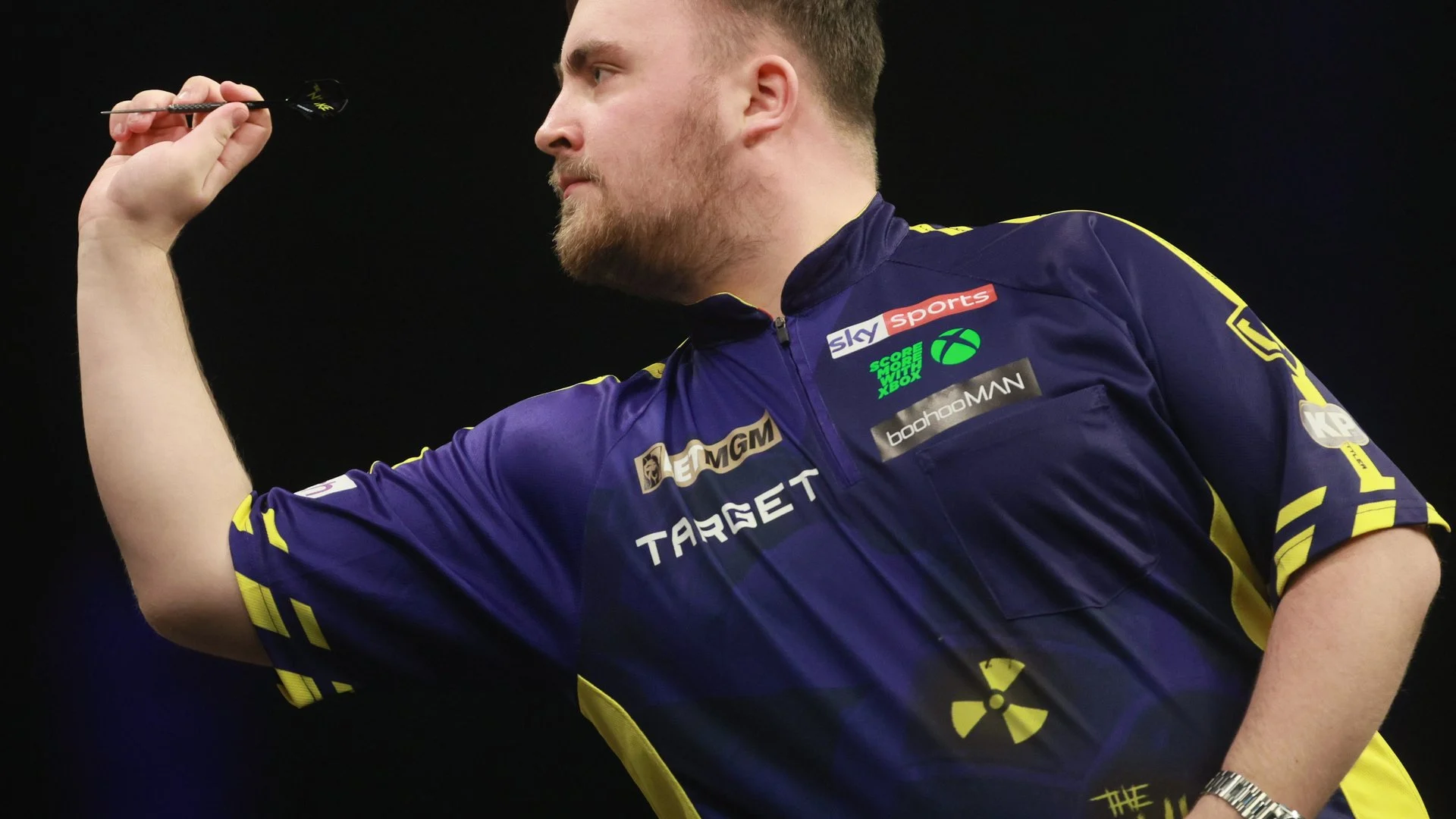
Luke Littler to miss Players Championship Finals as Anderson and Aspinall face last-chance battle
Human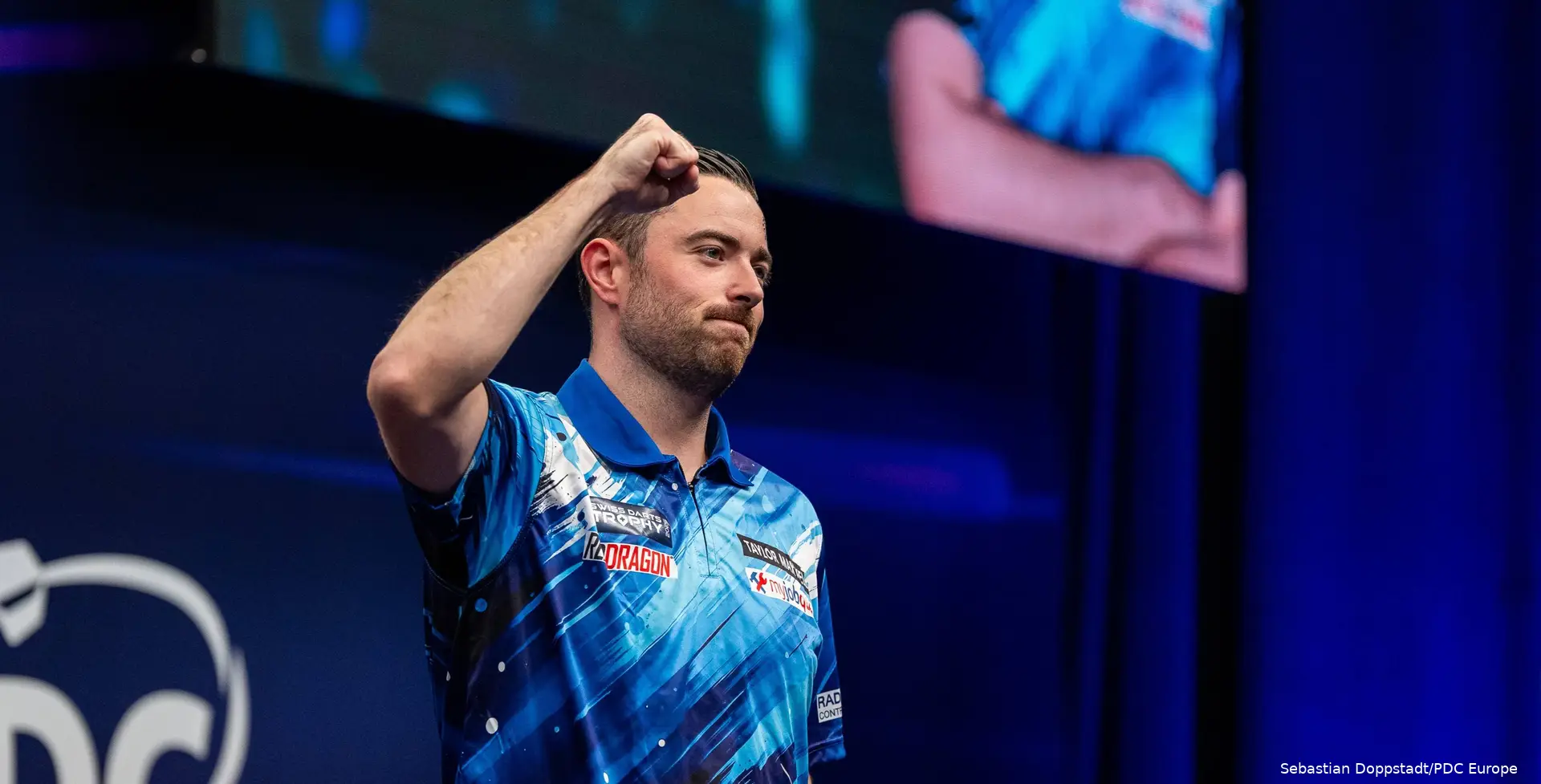
Players Championship 33 and 34: how to watch, UK start times and the race for Minehead
Human
Fallon Sherrock ranking: why her £501,000 win does not count
AI
Fallon Sherrock beats Luke Littler to win £501,000 on Netflix
AI
Everything that matters in sport today, Friday 30 October 2026
Human