 Premier League
 Championship
 EFL One & Two
 Scottish Premiership
 WSL
 Champions League
 Europa League
 FA Cup
 Carabao Cup
 Arsenal News
 Aston Villa News
 Chelsea News
 Liverpool News
 Man City News
 Man Utd News
 Newcastle News
 Tottenham News
 Premiership Rugby
 URC
 Six Nations
 Nations Championship
 Bath
 Leicester Tigers
 Saracens
 Northampton Saints
 Harlequins
 Bristol Bears
 Leinster
 Munster
 Glasgow Warriors
 Cardiff

England’s World Cup squad: Why McDermott’s biggest challenge goes beyond five uncapped picks
Five uncapped players give England’s Rugby League World Cup squad a fresh look. How Brian McDermott combines them with his established internationals will matter more than the number…
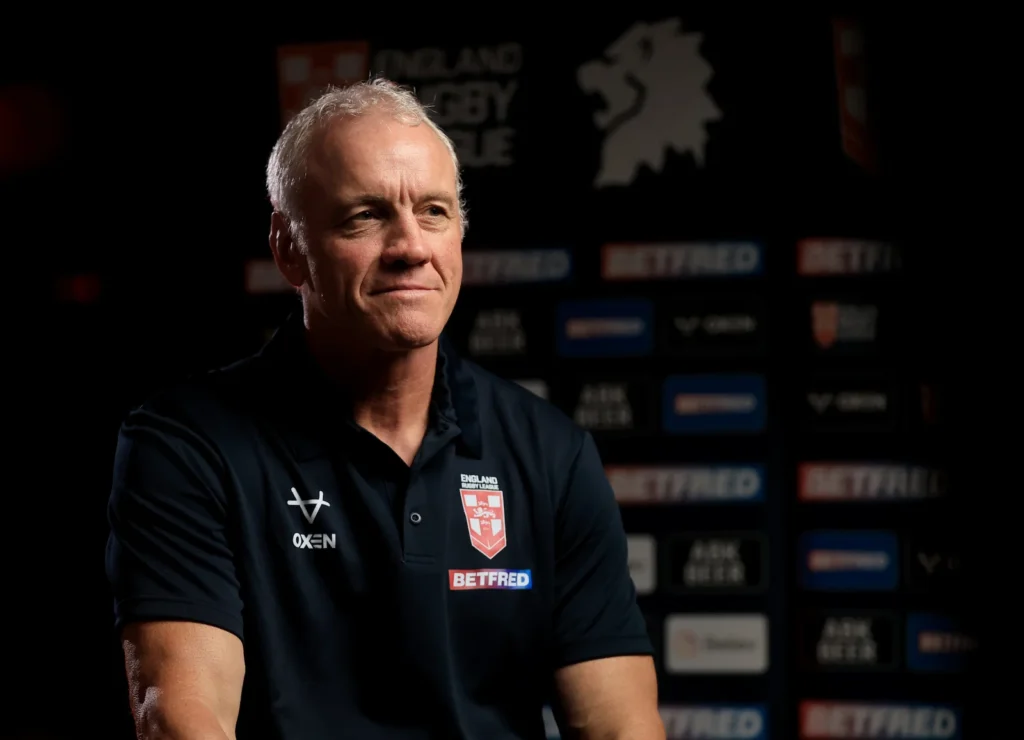
Five uncapped players give England’s Rugby League World Cup squad a fresh look. How Brian McDermott combines them with his established internationals will matter more than the number of debutants.
England have options across the field, but a 23-player tournament squad requires careful choices. Every specialist selected affects the space available for cover elsewhere.
Our assessment is that three questions will shape their campaign: who directs the attack, how the newcomers fit around existing partnerships and whether the preparation programme produces a team ready to adapt under pressure.
Selection has put the attacking plan under scrutiny
Jake Connor’s omission has attracted attention, with George Williams, Harry Smith and Mikey Lewis providing McDermott’s main half-back options.
Explaining his thinking in comments reported by Sky Sports, McDermott emphasised suitability for his intended approach and the ability to deliver in major matches.
He also highlighted Lewis’s willingness to run: “Well the guy runs and when he is in doubt he runs.”
That gives supporters something specific to watch. A half-back prepared to carry the ball can force defenders to make a decision before the pass arrives.
Our interpretation is that the important measure will be whether England create several credible threats within a possession. Selecting adventurous players only helps if their team-mates provide support and understand when to respond.
The challenge is to combine that initiative with enough control to manage difficult spells.
Savala offers flexibility, but his role needs clarity
Hugo Savala is particularly interesting in that context. NRL.com reports that he played at centre and in the halves during a 22-match season for Sydney Roosters, contributing eight tries and 12 try assists.
That experience gives England another option when assembling a matchday side. He could provide cover across positions or compete for a defined starting role.
Those possibilities require different preparation. A centre’s defensive decisions and a half-back’s responsibility for directing possession cannot simply be exchanged without work.
For England, versatility should create a useful alternative when circumstances change. It should not leave a player uncertain about his main responsibility.
Savala’s value may therefore depend as much on how clearly his role is explained as on how many positions he can cover.
Established partnerships can help the newcomers settle
The RFL’s squad announcement confirms seven Wigan players, including uncapped Zach Eckersley and Sam Walters. Max King and Ben Talty complete the five potential debutants alongside Savala.
That Wigan representation gives McDermott some existing club relationships to work with. Familiarity could help with communication, timing and recognising a team-mate’s decisions.
However, it should be a starting advantage rather than a reason to assume an international combination will work automatically. Different opponents and responsibilities will test those relationships.
The selection question is how to use familiarity while ensuring the wider side functions together. A successful club partnership still needs clear connections to the players around it.
Preparation must survive the first difficult spell
The RFL says players in the wider programme attended at least six individual meetings, alongside positional sessions, before the final squad came together.
That process should reduce the amount England need to introduce in camp. Its value will become clearer when decisions have to be made quickly on the field.
Against Tonga on 17 October, watch how England respond when an attacking move breaks down or possession becomes difficult to secure. Do players reorganise quickly? Can they change the point of attack without losing their structure?
Those are more useful early tests than judging the squad solely by its most recognisable names.
McDermott has chosen his players. The next task is to make their individual strengths work within decisions the whole team understands.
Related
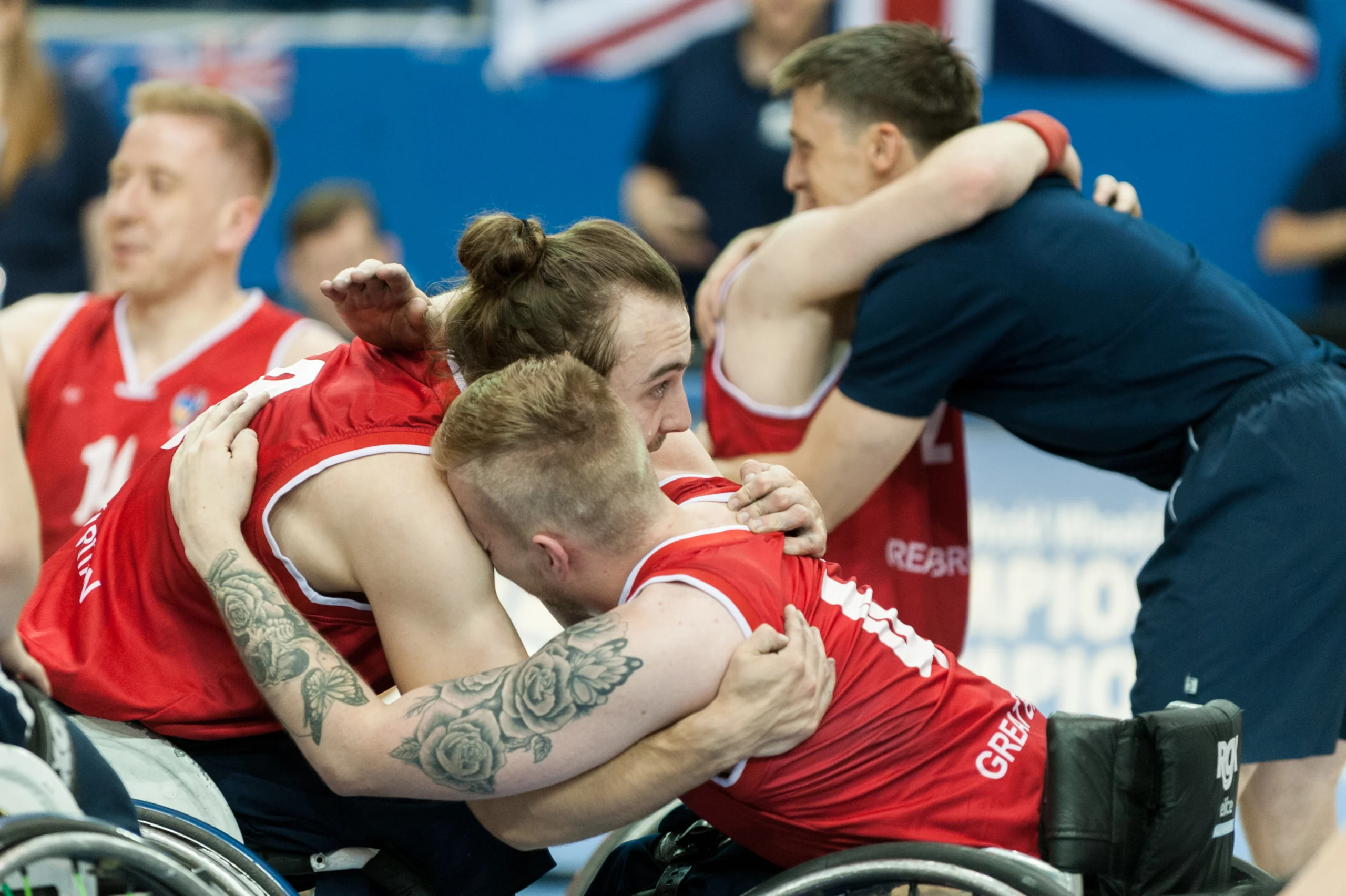
England vs Ireland Wheelchair World Cup: brothers Jack Brown and Joe Calcott face off for top spot
Human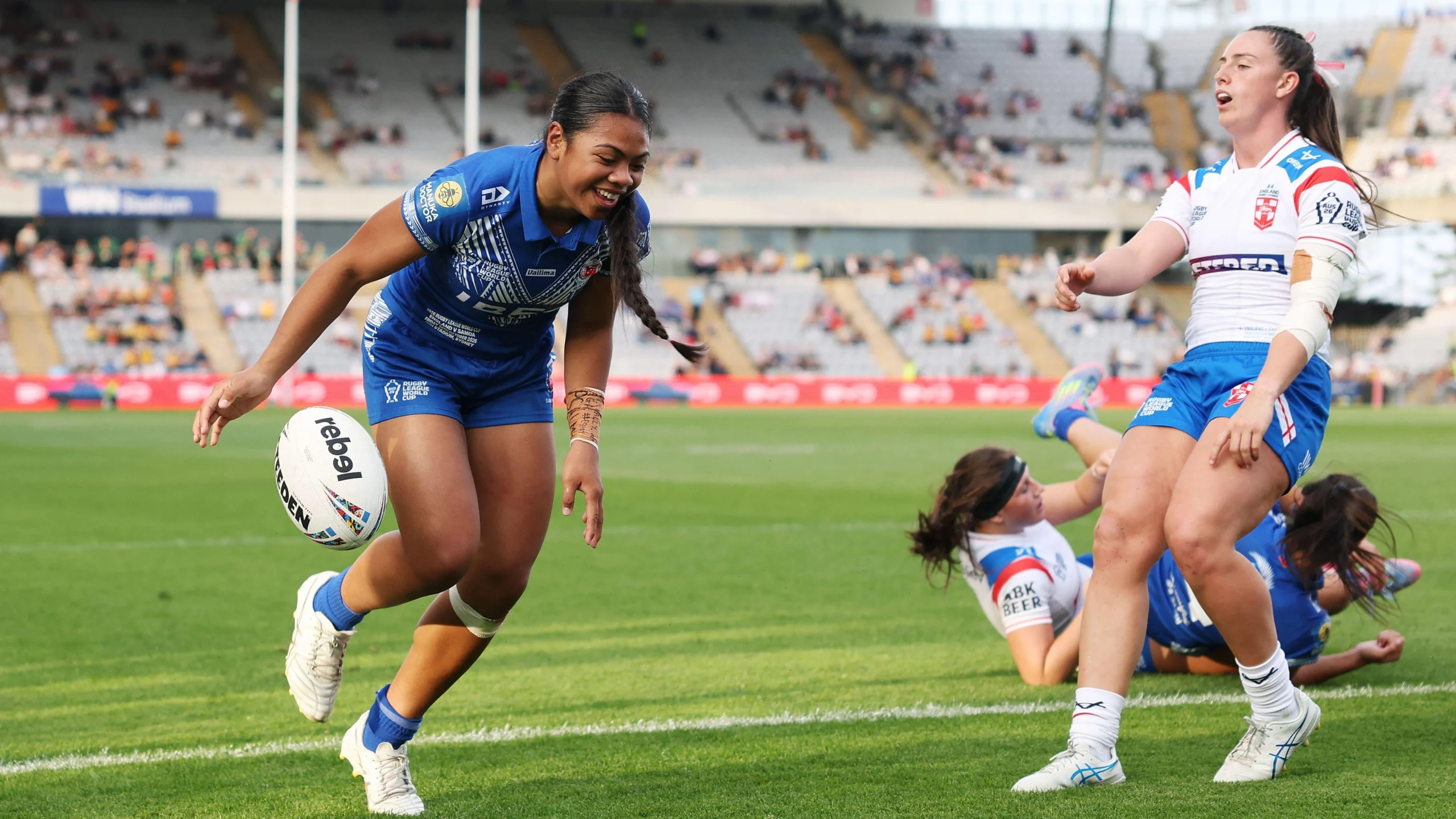
Samoa promote Fanua Rimoni for first Women’s Rugby League World Cup semi-final against New Zealand
Human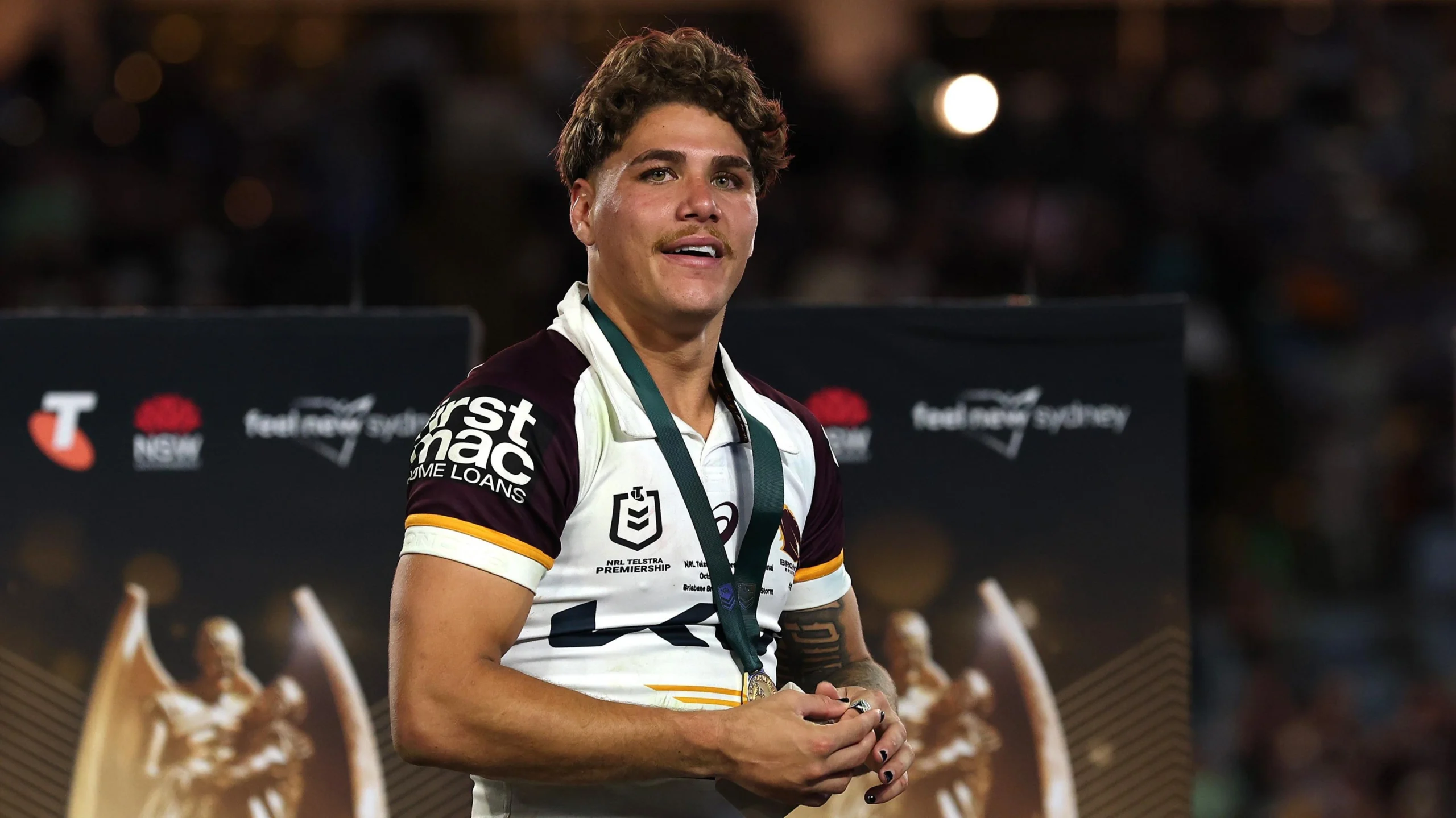
Reece Walsh gets Australia full-back nod ahead of James Tedesco for World Cup semi-final against Samoa
Human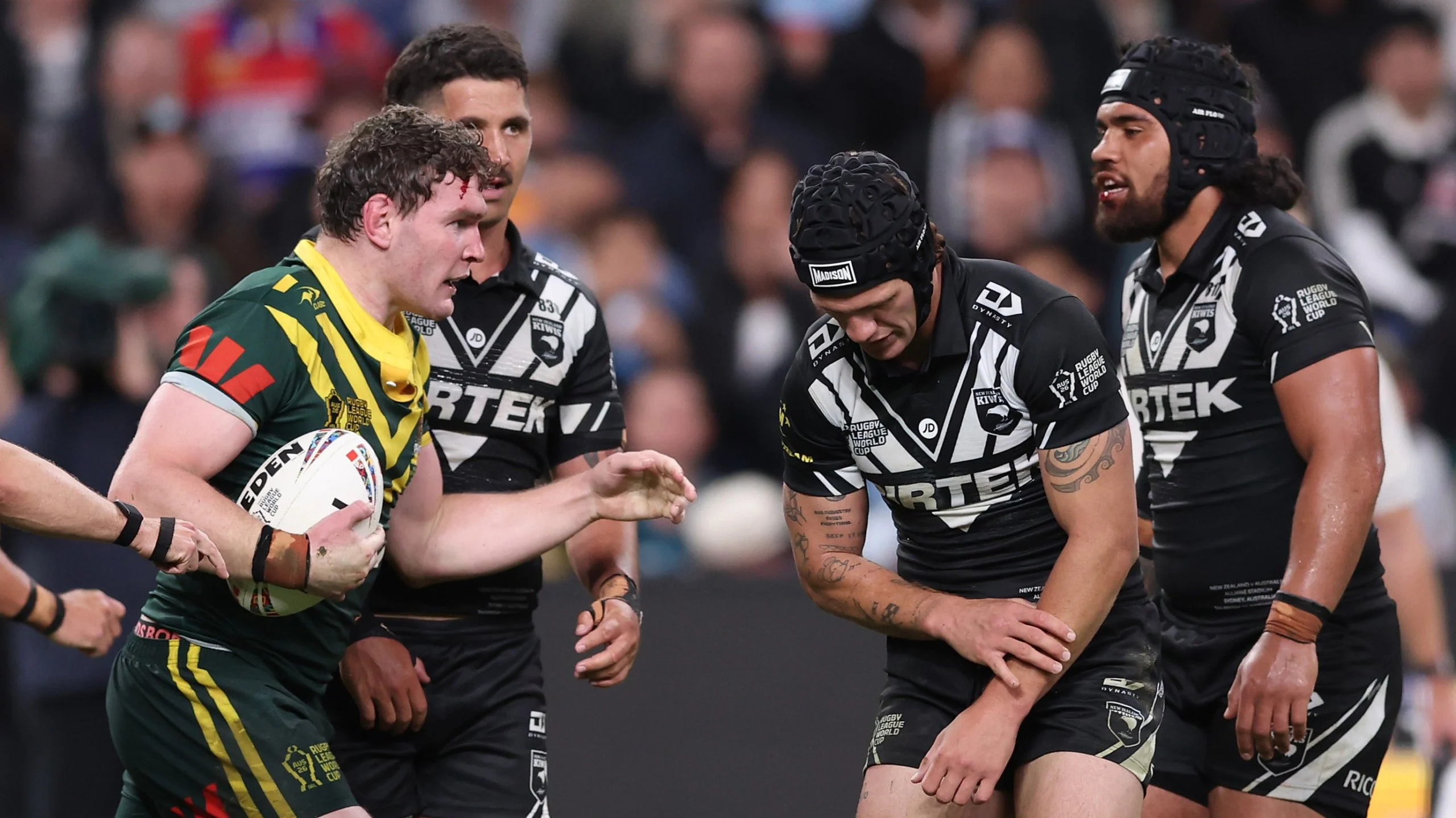
Kalyn Ponga handed World Cup comeback chance as New Zealand name squad for Tonga semi-final
Human
England Wheelchair vs USA: TV channel, live stream and UK start time as World Cup semi-final place beckons
Human