 Premier League
 Championship
 EFL One & Two
 Scottish Premiership
 WSL
 Champions League
 Europa League
 FA Cup
 Carabao Cup
 Arsenal News
 Aston Villa News
 Chelsea News
 Liverpool News
 Man City News
 Man Utd News
 Newcastle News
 Tottenham News
 Premiership Rugby
 URC
 Six Nations
 Nations Championship
 Bath
 Leicester Tigers
 Saracens
 Northampton Saints
 Harlequins
 Bristol Bears
 Leinster
 Munster
 Glasgow Warriors
 Cardiff

Everton’s six-shot Chelsea defeat exposes David Moyes’ attacking dilemma
David Moyes needs Everton to create more opportunities after their unbeaten Premier League start ended with a 2-0 defeat by Chelsea.
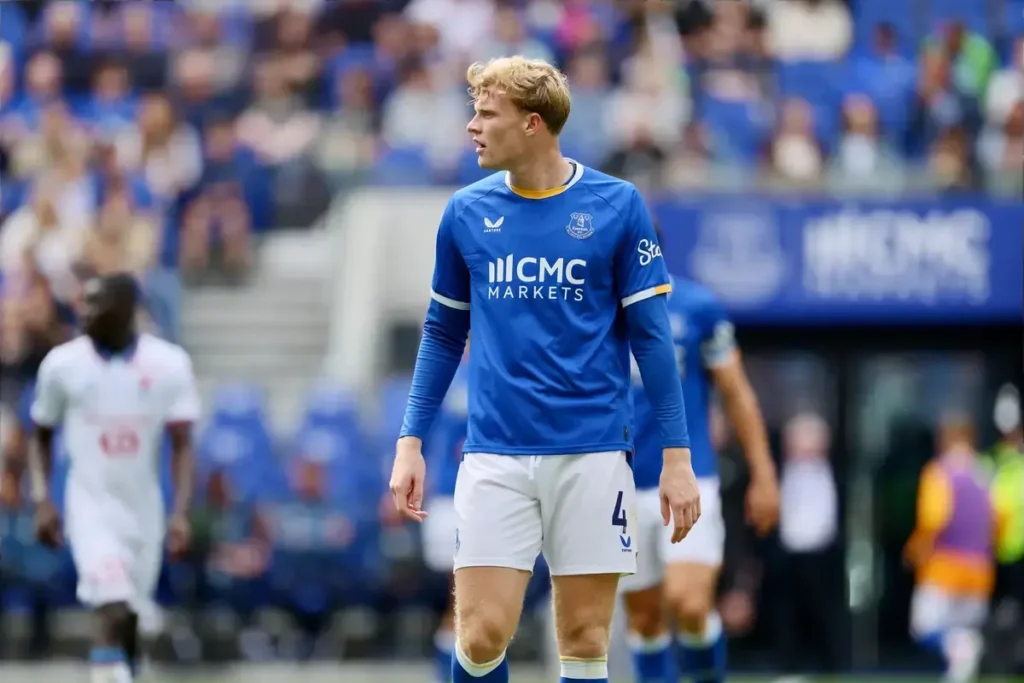
David Moyes needs Everton to create more opportunities after their unbeaten Premier League start ended with a 2-0 defeat by Chelsea.
Thierno Barry’s first-half header was an important chance to take the lead. Yet the wider concern was how little Everton produced across the afternoon, particularly with the game still within reach until Pedro Neto’s second goal in the 90th minute.
Everton finished with six shots to Chelsea’s 18. That imbalance gives Moyes a clear problem to address.
Speaking to TNT Sports, Moyes said: “Mainly we didn’t offer enough … didn’t create enough or make enough chances.”
David Moyes needs a more productive Everton attack
Six attempts leave a team heavily dependent on taking a small number of opportunities.
Everton had 47% possession, so this was an afternoon in which they had enough of the ball to expect a greater attacking return. Chelsea produced three times as many shots despite a relatively narrow advantage in possession.
Those figures cannot explain every tactical detail. They do, however, identify the gap between having the ball and turning it into pressure on the opposition’s goal.
My view is that this should be Moyes’ starting point when reviewing the defeat: how often did Everton’s possession give their attacking players a realistic opportunity to hurt Chelsea?
A team can remain competitive in tackles and individual contests while struggling to threaten the goalkeeper regularly enough. Everton need those competitive spells to lead somewhere.
Barry’s missed chance matters
Barry had an opportunity that could have changed the afternoon.
Jack Grealish found him with a first-half cross, but the striker directed his close-range header at Emiliano Martínez. The chance arrived while the score was still goalless.
A stronger finish might have allowed Everton to defend a lead and made Chelsea take greater risks.
That deserves scrutiny. Centre-forwards are expected to convert opportunities from those positions, particularly in matches where chances are limited.
The team also needs to give itself more opportunities to recover from a missed chance. Six attempts across an entire match offer little margin for an imperfect finish or a good save.
Barry’s finishing and the supply around him both belong in the review. Improving either would help; improving both would make Everton substantially harder to contain.
The Hull comparison shows what Everton can produce
There was evidence of a more productive attack just six days earlier.
In the 2-2 draw at Hull City, Everton had 15 shots and scored twice. Kiernan Dewsbury-Hall supplied the equaliser before setting up Barry to put them ahead.
Chelsea presented a different defensive challenge, so those totals should not be treated as directly interchangeable measures of performance. Even so, the contrast is useful.
At Hull, Everton created enough to establish a winning position and then failed to protect it. Against Chelsea, their attacking output left them with fewer routes back into the game.
Dewsbury-Hall’s contribution at Hull also offered a practical example of what Moyes needs around his striker: another player capable of arriving to score and making the pass that releases a team-mate.
Our analysis of Dewsbury-Hall’s Everton role explored that combination before Saturday’s match. Keeping him involved near goal remains an important part of the solution.
Everton need a stronger response after conceding
Neto’s opener arrived immediately after half-time. Everton then had most of the second half to find an equaliser before his late second settled the contest, as covered in our Everton–Chelsea match report.
That period is worth particular attention in Moyes’ review.
I would want Everton to develop more ways of supporting the player receiving the ball near the penalty area: a runner beyond him, a midfielder arriving alongside him and another target for deliveries from wide.
Those are possible improvements, rather than conclusions that can be proved from the shot count alone.
Everton’s first defeat leaves them with 10 points from seven games. There is still a foundation to build on. Producing a more sustained attacking threat would give them a better chance of turning competitive performances into victories.
Related
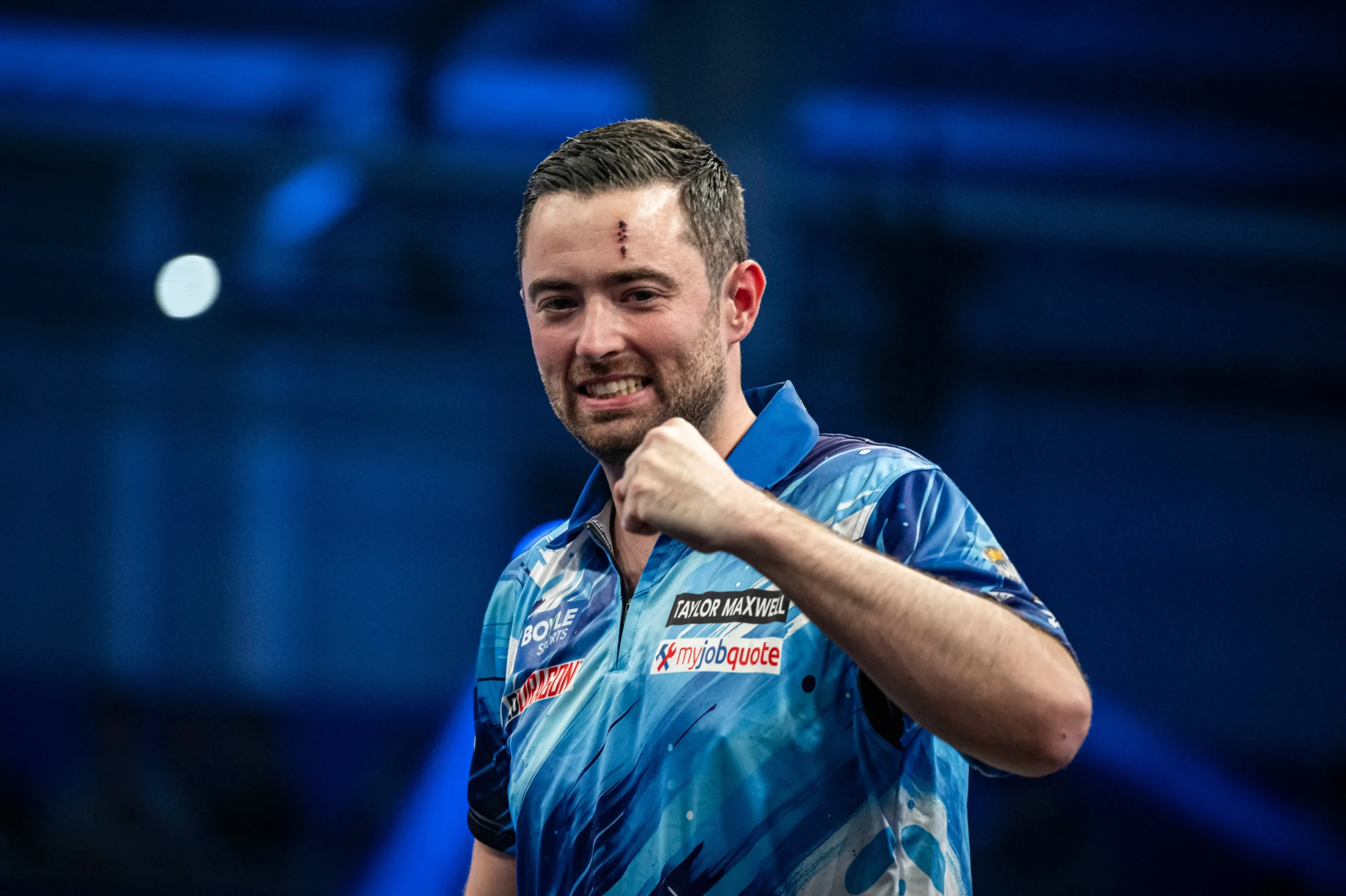
Luke Humphries wins Players Championship 33 as Aspinall misses Finals
Data + AI
Osleys Iglesias vs Canelo Alvarez: Malignaggi says IBF champion is ‘too good and not popular enough’
Data + AI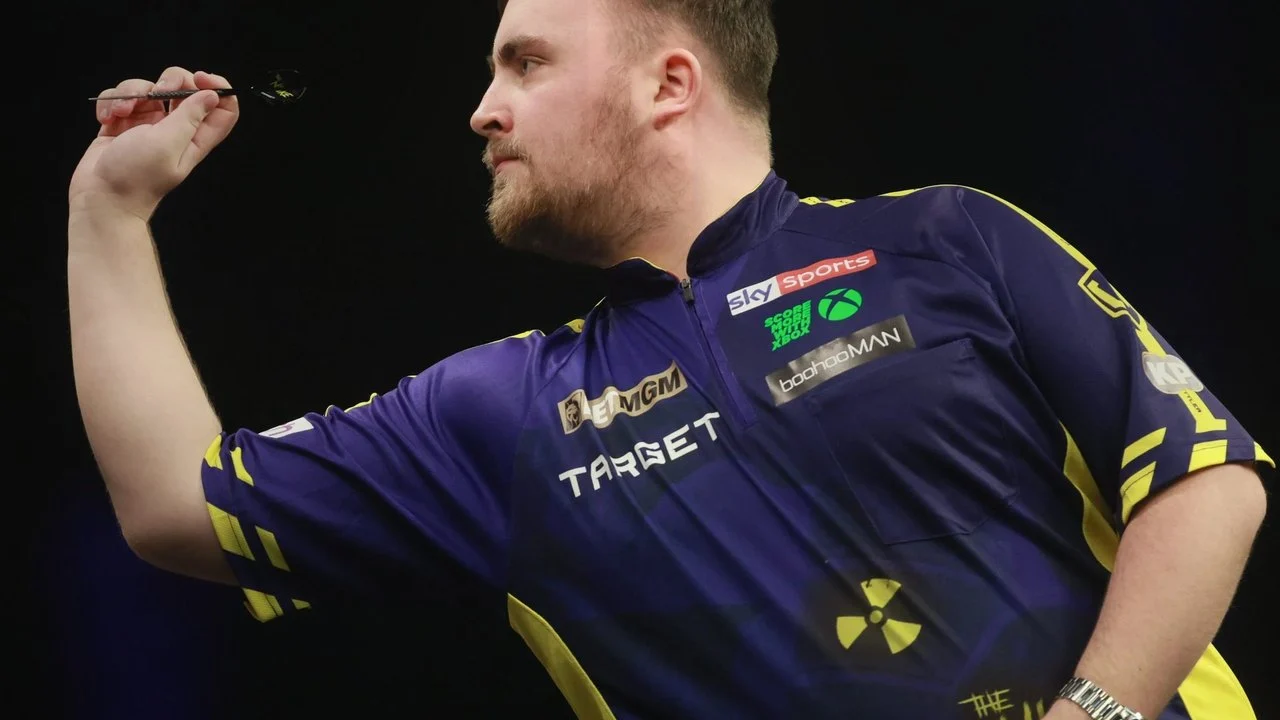
Luke Littler retirement: Phil Taylor suggests world No 1 could quit ‘in five years’
Data + AI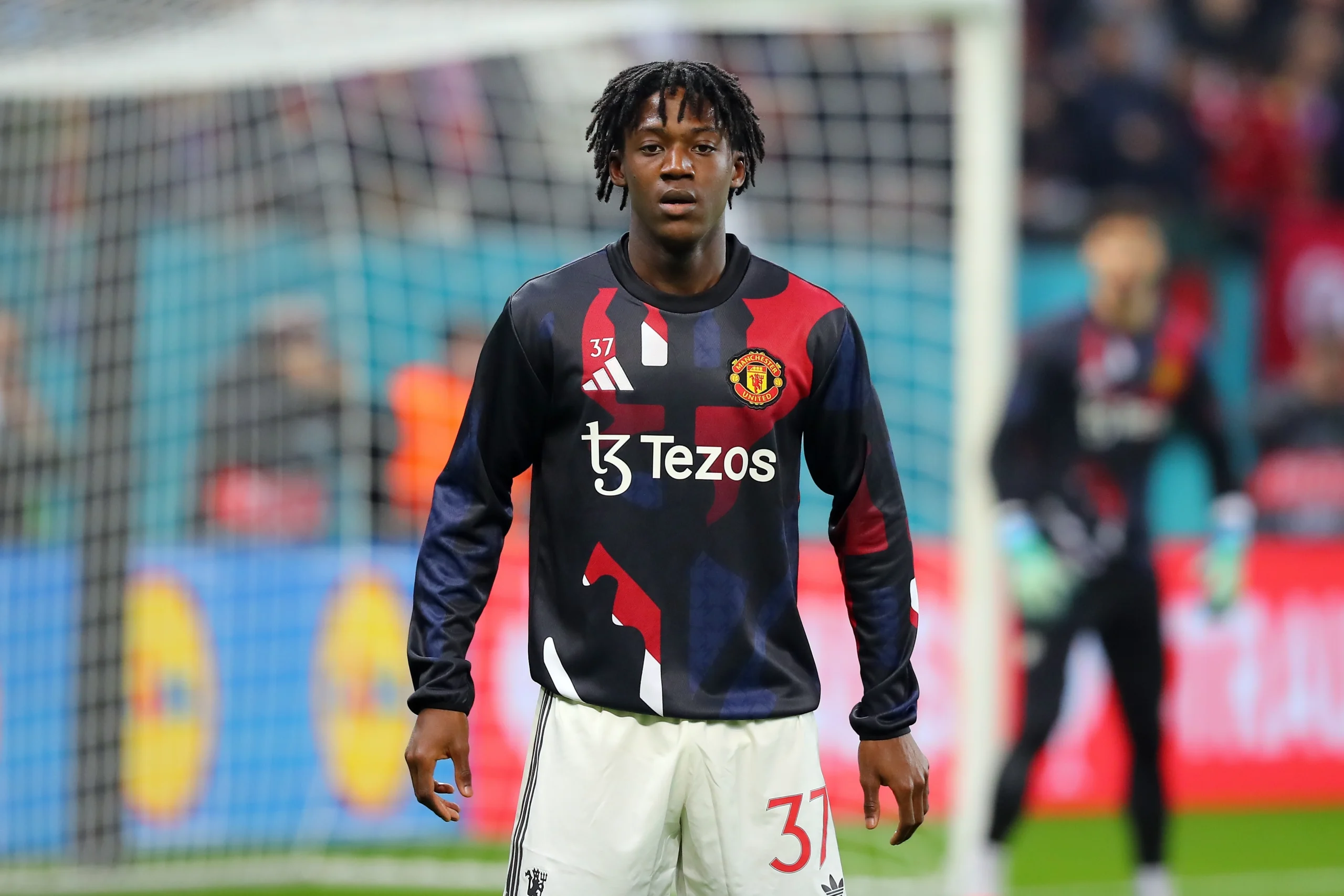
Manchester United vs Roma line-ups: Mainoo and Heaven start as Carrick makes two changes
Human
Newcastle struggle for answers as Carragher warns of tough season after another Everton defeat
Human