 Premier League
 Championship
 EFL One & Two
 Scottish Premiership
 WSL
 Champions League
 Europa League
 FA Cup
 Carabao Cup
 Arsenal News
 Aston Villa News
 Chelsea News
 Liverpool News
 Man City News
 Man Utd News
 Newcastle News
 Tottenham News
 Premiership Rugby
 URC
 Six Nations
 Nations Championship
 Bath
 Leicester Tigers
 Saracens
 Northampton Saints
 Harlequins
 Bristol Bears
 Leinster
 Munster
 Glasgow Warriors
 Cardiff
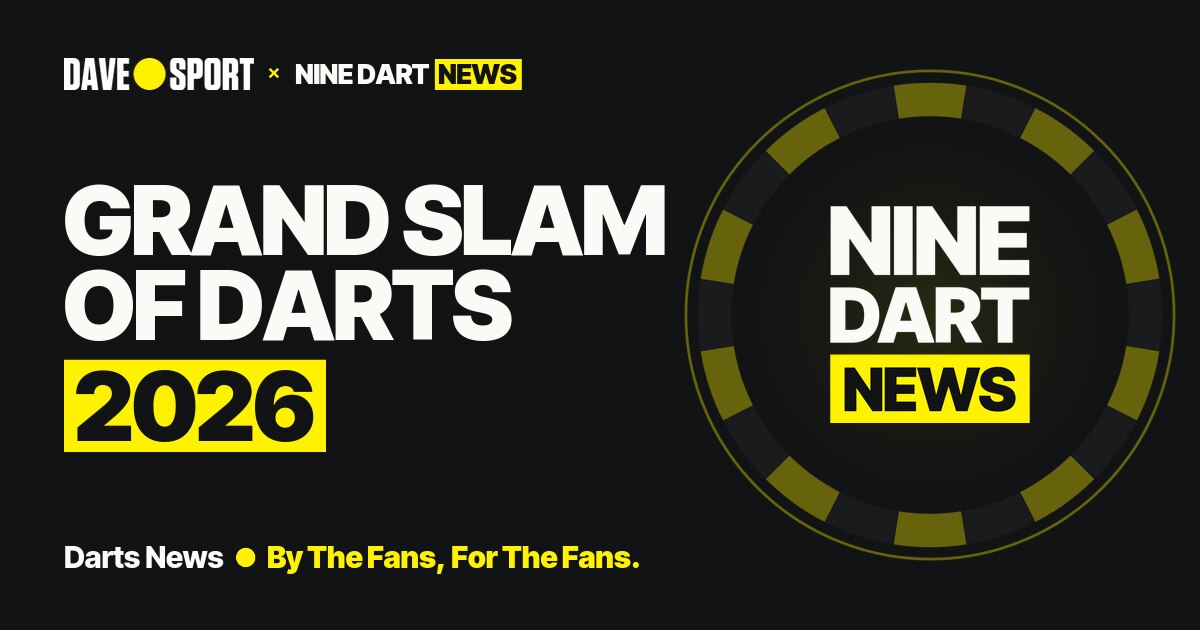
Brentford’s midfield suspensions leave Andrews balancing creativity and cover against Hull City
Brentford must replace Vitaly Janelt and Yehor Yarmoliuk against Hull City on Sunday, but Keith Andrews’ decision goes beyond choosing two available midfielders.
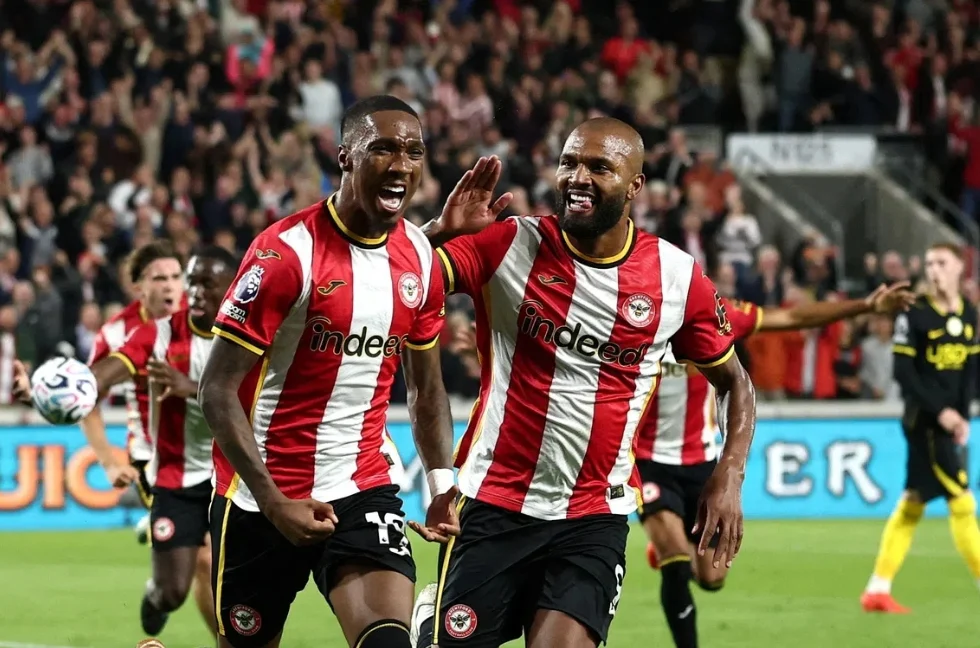
Brentford must replace Vitaly Janelt and Yehor Yarmoliuk against Hull City on Sunday, but Keith Andrews’ decision goes beyond choosing two available midfielders.
His side need enough passing quality to open up an organised defence and enough protection to prevent Hull turning lost possession into chances. Solving one problem at the expense of the other could make this an uncomfortable afternoon.
Both players are suspended following their dismissals against Liverpool. Our Brentford suspension guide explains the separate bans and their implications beyond the trip to the MKM Stadium.
Hull’s possession figures do not tell the whole story
Stephen Gillett’s analysis for Brentford’s official match preview records Hull averaging 32 per cent possession across their opening seven league matches.
That suggests Brentford should have opportunities to build attacks. It does not mean they can assume control simply by keeping the ball.
The same analysis credits Hull with three goals from high turnovers — winning possession close to the opposition goal. Their willingness to defend deep therefore sits alongside an ability to punish mistakes further up the pitch.
For Brentford, the danger is a central pass played under pressure with too many team-mates already ahead of the ball. One interception could remove several players from the defensive response.
Andrews needs passing options around the player in possession, rather than leaving him to force a ball through a crowded midfield.
Jensen, Damsgaard and Sangaré offer one possible balance
Gillett identifies Mathias Jensen and Mikkel Damsgaard’s passing, supported by Mamadou Sangaré’s energy, as a potential answer to Hull’s organisation.
That is a plausible combination, not a confirmed selection. Brentford’s latest update says Jensen has made further progress in his recovery; it does not establish how many minutes he can play.
If Andrews uses all three, their spacing will matter as much as their individual qualities.
One option would be to keep Damsgaard higher, looking to receive between Hull’s midfield and defence, while Jensen helps move the ball into those areas. Sangaré could provide a supporting position behind the attack.
The risk would come if both deeper midfielders were drawn towards the same move. Hull would then have a route through the centre if possession changed hands.
Nor should covering that space become one player’s responsibility throughout the match. When a full-back advances or a midfielder carries forward, somebody else has to recognise the gap and stay available behind him.
Thiago needs support close enough to combine
The midfield selection also affects Igor Thiago.
Our analysis of Thiago’s finishing and wider contribution examined an afternoon against Liverpool in which he created Brentford’s goal but failed to take opportunities of his own.
The lesson for Sunday is not simply to send more deliveries towards him.
Against a compact defence, a striker receiving with his back to goal needs a nearby option. A midfielder arriving for a short combination can help turn that reception into an attack; without support, the same pass can leave him surrounded.
Brentford also need runners who threaten beyond Thiago. If every attacking player comes towards the ball, Hull can defend the space in front of them without having to turn.
That is the balance Andrews must preserve while replacing two midfield options: enough players close to the striker to combine, without committing everyone to the same attack.
Andrews must prepare for a different Hull response
There is a reason not to build the entire plan around Hull sitting back.
Following the defeat at Fulham, Sergej Jakirović called for greater aggression and better use of the ball, as covered in our Hull press-conference report.
Hull could therefore press earlier or approach the opening stages differently. Their season averages describe what has happened, not a fixed instruction for Sunday.
If Hull step forward, Brentford may find space behind them. If they retreat, patience and quick combinations become more important. Andrews’ midfield needs to recognise which game is developing.
The absences make his selection harder, but the decisive question is how the replacements work together. Brentford need to create openings while remaining organised enough to deal with the next passage of play when an attack breaks down.
Related
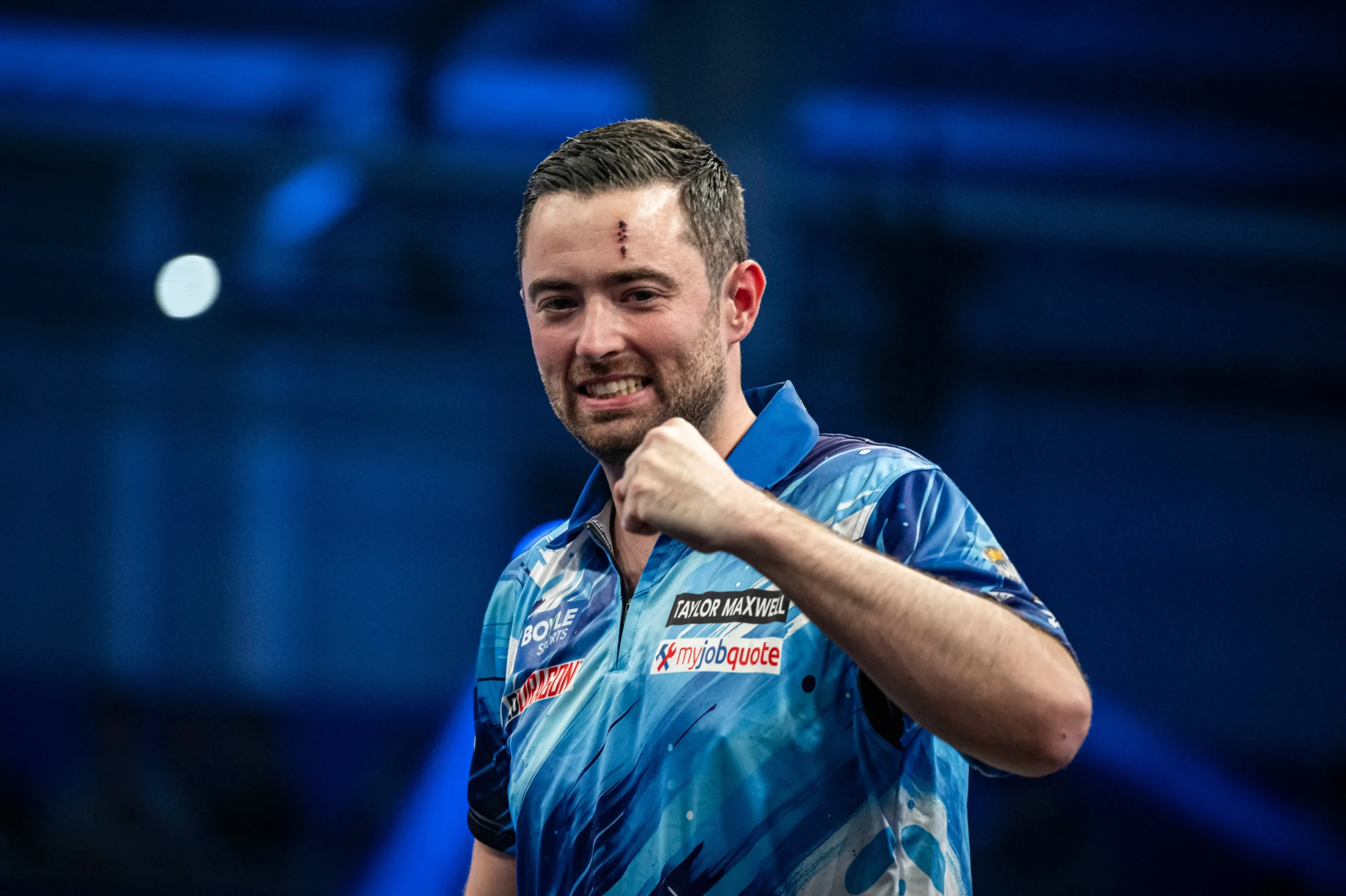
Luke Humphries wins Players Championship 33 as Aspinall misses Finals
Data + AI
Osleys Iglesias vs Canelo Alvarez: Malignaggi says IBF champion is ‘too good and not popular enough’
Data + AI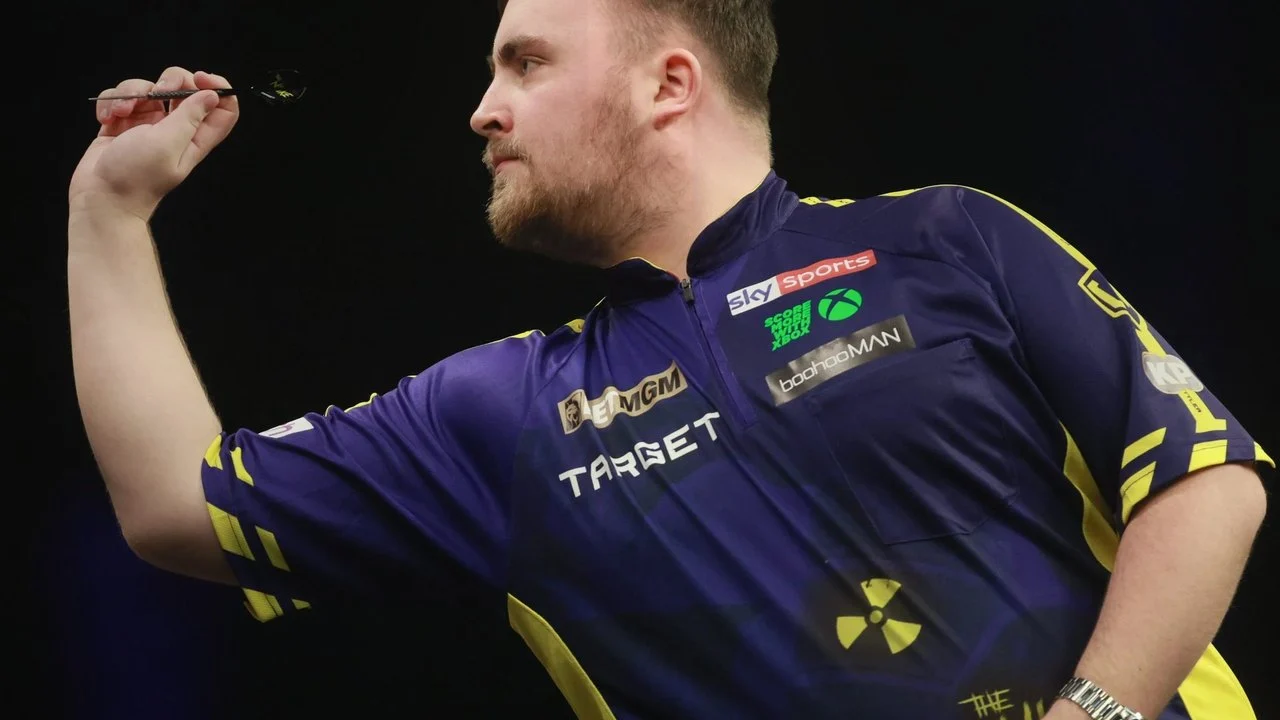
Luke Littler retirement: Phil Taylor suggests world No 1 could quit ‘in five years’
Data + AI
Brian Brobbey signs new Sunderland contract until 2031 as striker targets more after European breakthrough
Human
Newcastle struggle for answers as Carragher warns of tough season after another Everton defeat
Human