
 Premier League
 Championship
 EFL One & Two
 Scottish Premiership
 WSL
 Champions League
 Europa League
 FA Cup
 Carabao Cup
 Arsenal News
 Aston Villa News
 Chelsea News
 Liverpool News
 Man City News
 Man Utd News
 Newcastle News
 Tottenham News
 Premiership Rugby
 URC
 Six Nations
 Nations Championship
 Bath
 Leicester Tigers
 Saracens
 Northampton Saints
 Harlequins
 Bristol Bears
 Leinster
 Munster
 Glasgow Warriors
 Cardiff
How To Watch Darts In 2026: TV Channels, Streaming And The Run-In
If you have ever tried to work out how to watch darts and ended up scrolling through three different apps and a fixture list nobody has updated since…
If you have ever tried to work out how to watch darts and ended up scrolling through three different apps and a fixture list nobody has updated since spring, you are not alone. The PDC season is almost permanently on – roughly 100 tournament days a year – but only a slice of it lands on mainstream television. Here is the plain-English guide to which channels carry what, where the non-televised stuff hides, and what is still to come in 2026.
How to watch darts on TV in the UK
In the UK, the big nights belong to Sky Sports. Every one of the PDC’s televised majors – the World Championship, the Premier League, the UK Open, the World Matchplay, the World Grand Prix, the European Championship, the Grand Slam of Darts and the Players Championship Finals – is carried on Sky Sports, usually with a dedicated darts feed spun up for the duration of the event. If you have a Sky subscription or a NOW Sports pass, you already have access to the entire televised calendar.
That matters more than it used to. Darts has stopped being a Christmas novelty and turned into one of Sky’s most-watched properties, largely because of the teenager at the top of the sport. Luke Littler has won every major staged in 2026 – the World Championship, the World Masters, the UK Open, the Premier League and the World Matchplay – and he is the reigning world champion and world number one on the Order of Merit. Every remaining event this year is, in effect, a referendum on whether anyone can stop him.
PDCTV: where most of the season actually lives
The televised majors are the tip of the iceberg. The bulk of the calendar – Players Championship events, the European Tour, Development Tour, Challenge Tour and Women’s Series – never touches a broadcast channel. Those are streamed on PDCTV, the PDC’s own subscription platform, which now has a dedicated app alongside the website.
This is where ranking money quietly changes hands on a Monday afternoon in Wigan or Leicester, and where most of the sport’s stories start. If you want to understand why a player suddenly appears in a major seeding conversation, PDCTV is the answer. Note that PDCTV does not carry the televised majors – those broadcast rights sit with Sky in the UK – so serious fans generally end up with both.
Watching darts outside the UK
Coverage varies by territory, and it has been expanding fast. The PDC has pushed hard into the United States, where its events are carried under a broadcast deal with ESPN – a significant step up from the streaming-only years, and part of the same strategy that took the sport to Madison Square Garden. Elsewhere, rights are sold market by market to local broadcasters, and PDCTV is generally the fallback for viewers in territories with no domestic deal. Because these arrangements change season to season, the safest move is to check the official PDC website for the broadcaster list in your country before an event starts.
What is left on the 2026 darts calendar
The World Series leg is done – James Wade came out on top in Wollongong at the Australian Darts Masters in August – which means the run-in starts now. These are the dates to put in your phone:
| Event | Dates | Ranking? |
|---|---|---|
| World Series of Darts Finals | 17-20 September | Non-ranking |
| World Grand Prix | 28 September – 4 October | Ranking major |
| European Championship | 22-25 October | Ranking major |
| Grand Slam of Darts | 14-22 November | Ranking major |
| Players Championship Finals | 27-29 November | Ranking major |
| PDC World Championship | 10 December – 3 January 2027 | Ranking major |
None of those has been played yet, so treat any “winner” you see floating around social media with extreme suspicion. The board is completely blank from here.
The one to circle: the World Grand Prix
If you only watch one tournament before Christmas, make it the World Grand Prix. It is the only major played under the double-start format: you have to open every leg on a double as well as close on one, which turns the sport’s usual rhythm inside out. Big averages count for less, nerve counts for more, and heavy favourites get dragged into scraps they would never face at Alexandra Palace.
It is also the reason the clean-sweep talk gets interesting. Littler’s 2026 has been ruthless in conventional darts, but double-start is the format where the field has historically had its best chance of an ambush – and with Gian van Veen having climbed to number two in the world and Luke Humphries a whisker behind him, there is no shortage of candidates.
Grand Slam and the Worlds: the formats worth knowing
Two more quirks are worth understanding before you tune in. The Grand Slam of Darts opens with a round-robin group stage rather than straight knockout, so a bad first night does not necessarily end your week – and a big name losing on day one becomes a genuine talking point rather than an exit. The World Championship, meanwhile, is played over sets rather than straight legs, which is why Ally Pally produces those hour-long, momentum-swinging epics that knockout formats rarely deliver.
If you are new to any of it, our guide to the darts rules covers 501, doubles, busting and bogey numbers in a couple of minutes.
How to watch darts: the short version
Sky Sports or NOW for every televised major in the UK. PDCTV for everything else, all year round. ESPN if you are watching in the States, and the PDC’s own site for the broadcaster list everywhere else. Next up: the World Series of Darts Finals in mid-September, then the World Grand Prix and its double-start chaos at the end of the month. After a season of Littler winning everything in front of him, that is the fortnight worth clearing your evenings for.
Follow Nine Dart News on X and Facebook for every darts result.
Related
Luke Littler to miss Players Championship Finals as Anderson and Aspinall face last-chance battle
Human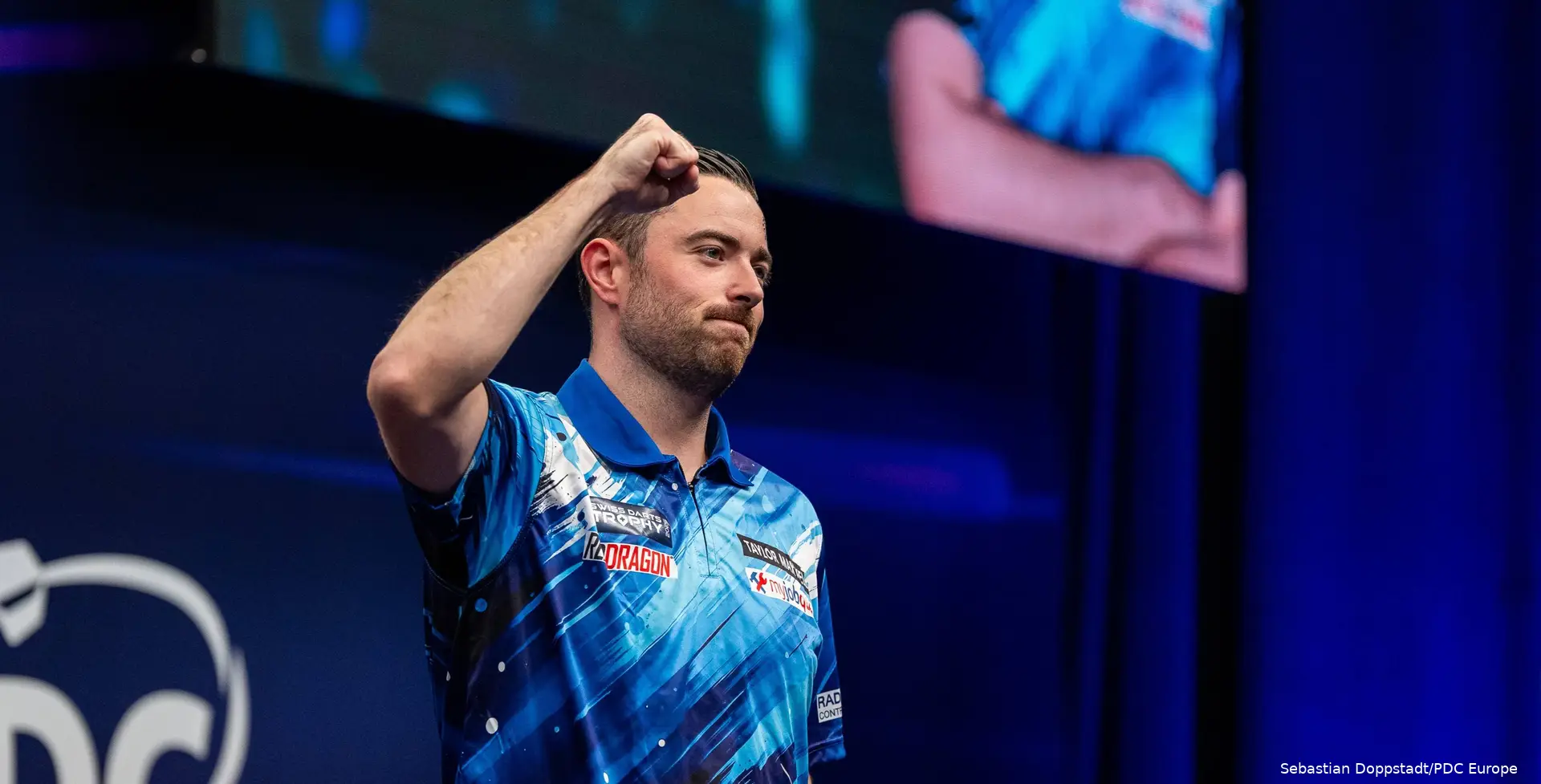
Players Championship 33 and 34: how to watch, UK start times and the race for Minehead
Human
Fallon Sherrock ranking: why her £501,000 win does not count
AI
Fallon Sherrock beats Luke Littler to win £501,000 on Netflix
AI
Everything that matters in sport today, Friday 30 October 2026
Human