
 Premier League
 Championship
 EFL One & Two
 Scottish Premiership
 WSL
 Champions League
 Europa League
 FA Cup
 Carabao Cup
 Arsenal News
 Aston Villa News
 Chelsea News
 Liverpool News
 Man City News
 Man Utd News
 Newcastle News
 Tottenham News

 Premiership Rugby
 URC
 Six Nations
 Nations Championship
 Bath
 Leicester Tigers
 Saracens
 Northampton Saints
 Harlequins
 Bristol Bears
 Leinster
 Munster
 Glasgow Warriors
 Cardiff

Real Madrid: The numbers behind four straight second-half slumps
A close look at Real Madrid second half struggles, analyzing four consecutive matches without a win and Jose Mourinho's tactical dilemma.

- Real Madrid have failed to win the second half in four straight matches, scoring just twice and conceding five in that spell.
- The sequence reads: a 2-1 second-half loss to Elche. 1-0 defeats to Inter Milan and Real Betis. A1-1 draw with Rayo Vallecano.
- It follows three consecutive second-half wins, against Malaga, Real Sociedad and Espanyol. Jose Mourinho has yet to offer a clear fix, according to Marca via Goal.
Four matches, zero second-half wins, five goals conceded. That is the bare arithmetic behind Real Madrid’s current slump. It marks a sharp reversal from a team that had been closing games out rather than losing them in the final 45 minutes.
Key facts and figures behind the second-half slump
The numbers are starkly set out in order. Across the last four fixtures, Madrid have taken one draw and three defeats when the second-half ledger alone is counted, with two goals scored against five conceded.
| Opponent | Second-half score | Result |
|---|---|---|
| Elche | 2-1 | Loss |
| Inter Milan | 1-0 | Loss |
| Real Betis | 1-0 | Loss |
| Rayo Vallecano | 1-1 | Draw |
Set that against what came before. In the three matches prior to this run, Madrid won the second half every time, against Malaga, Real Sociedad and Espanyol, with a decisive goal against Real Sociedad settling that particular contest. The contrast between the two spells is the whole story here. A team that was seeing games out has become a team that cannot get out of its own way after the interval.
Real Madrid: how it happened
There is no single moment that explains the slump. It is a pattern built match by match. Against Elche, Madrid conceded twice in the second half, having been level or ahead before the break. This turned a competitive fixture into a 2-1 second-half defeat.
The Inter Milan and Real Betis matches follow a similar shape. A single second-half goal against, with Madrid unable to respond in either. Two separate opponents. Two separate scorelines. The same outcome. A losing second half. Then came Rayo Vallecano, where Madrid at least avoided defeat but still could not find a second-half win, settling for a 1-1 draw in that period.
Mourinho’s own words, given after the Elche match, are worth setting against the results. Speaking to Goal’s coverage of Real Madrid, he said: “This kind of stadium, packed with wonderful fans, makes things difficult. The good thing is that despite this difficulty, the team reacts and wins. That is the most important thing. The good thing too is that no one gets bored watching Real Madrid matches. They are highly entertaining.”
It is a curious quote to read back now, given Elche sits at the start of a run without a single second-half win. Entertaining, certainly; short of a solution, evidently.
The expert angle: a glaring tactical vulnerability
According to a report by Marca, carried by Goal, second-half figures of this kind are a genuine concern inside the club for Mourinho himself, not a minor footnote in an otherwise strong campaign. The same reporting is clear that the manager has not put forward a clear tactical answer to stop the pattern recurring.
Read alongside the scorelines, that absence of an answer matters more than any single result. One bad second half can be an accident. Four in a row, against four different opponents, starts to look like a habit opponents can plan around. Elche, Inter Milan, Real Betis and Rayo Vallecano are not a uniform group of sides. Yet each found a way to trouble Madrid after the break.
Our full report on the second-half decline sets out the same trend in more detail. It is worth stressing what the numbers do not show. There is nothing here confirming a change to Mourinho’s selection, nor any suggestion that these figures alone will dictate his next team sheet. What they do show is a manager who, by his own reported reaction, is aware of the problem without yet having named a fix.
What happens next
For now, the pattern stands unresolved. No tactical change has been confirmed. No fresh explanation offered beyond Mourinho’s post-Elche comments. The run of four without a second-half win remains the most recent data point supporters have to go on.
That leaves a simple question hanging over the next fixture, whenever it comes. Can Madrid see out 45 minutes, or does the second half remain the moment their opponents fancy their chances? Until that changes, or until Mourinho is quoted saying something more concrete than he offered after Elche, the numbers will keep doing the talking.
We will be watching the next second-half stretch closely. Four matches without a win in that period is not yet a crisis by Real Madrid’s own lofty standards. It is exactly the kind of trend that either gets fixed quietly in the coming weeks or turns into the story of the season.
Follow all the latest: Football live: Premier League 2026/27 news, transfers and updates.
Related
JJ Gabriel: Real Madrid reach verbal agreement over January move from Manchester United – report
Data + AI
Dani Carvajal joins Getafe after trophy-laden Real Madrid career
Human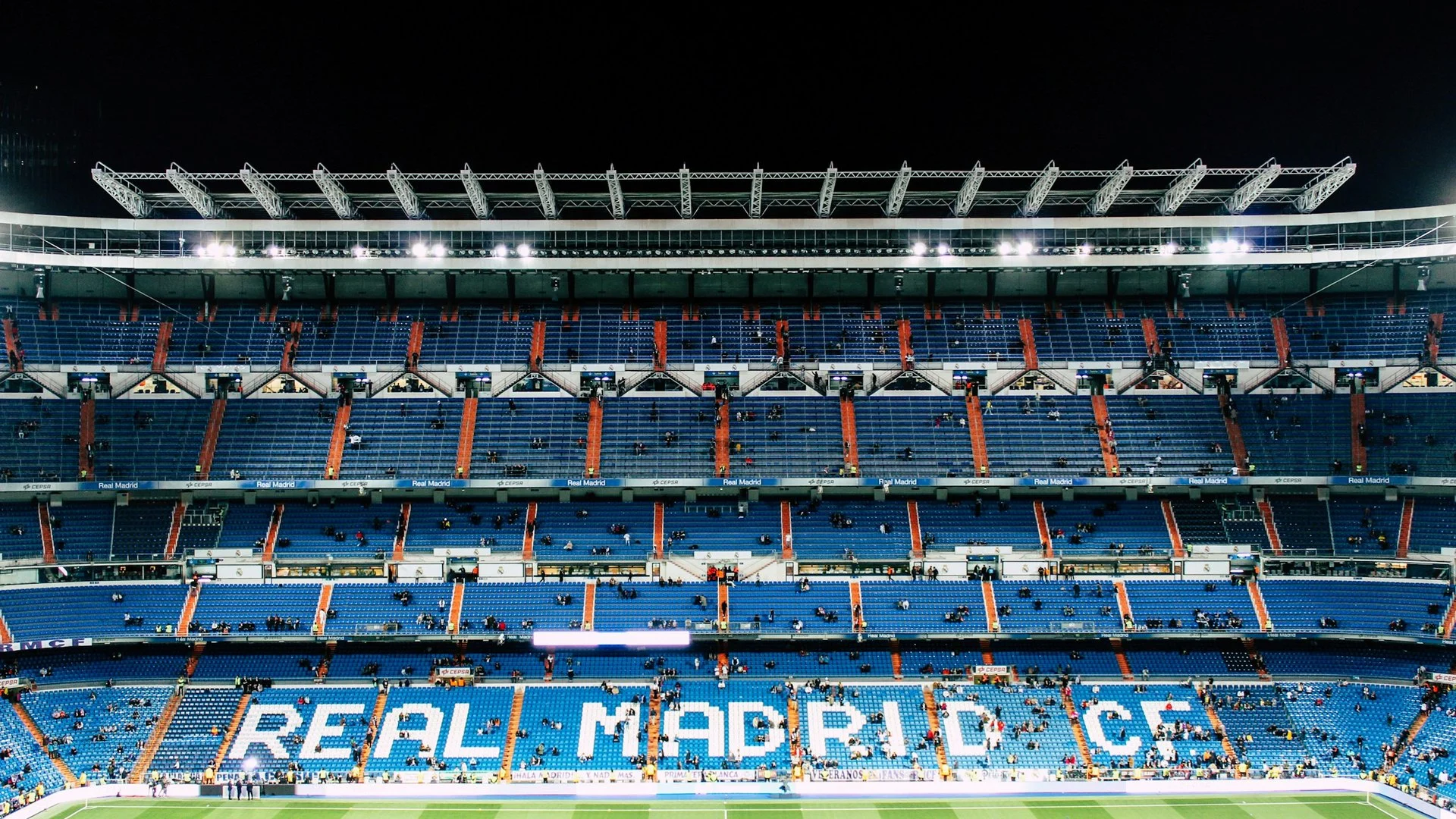
Real Madrid: Pitarch’s reset points to Villarreal call-up
Human
Mbappé knee injury: Real Madrid confirm hyperextension
Human
Jose Mourinho: referee committee caused Atletico derby chaos
Human