
 Premier League
 Championship
 EFL One & Two
 Scottish Premiership
 WSL
 Champions League
 Europa League
 FA Cup
 Carabao Cup
 Arsenal News
 Aston Villa News
 Chelsea News
 Liverpool News
 Man City News
 Man Utd News
 Newcastle News
 Tottenham News

 Premiership Rugby
 URC
 Six Nations
 Nations Championship
 Bath
 Leicester Tigers
 Saracens
 Northampton Saints
 Harlequins
 Bristol Bears
 Leinster
 Munster
 Glasgow Warriors
 Cardiff


Can Australia end their Bledisloe Cup drought against former coach Dave Rennie?
Australia’s Bledisloe Cup challenge brings them up against a coach who helped launch the international careers of several players now trying to end New Zealand’s hold on the…
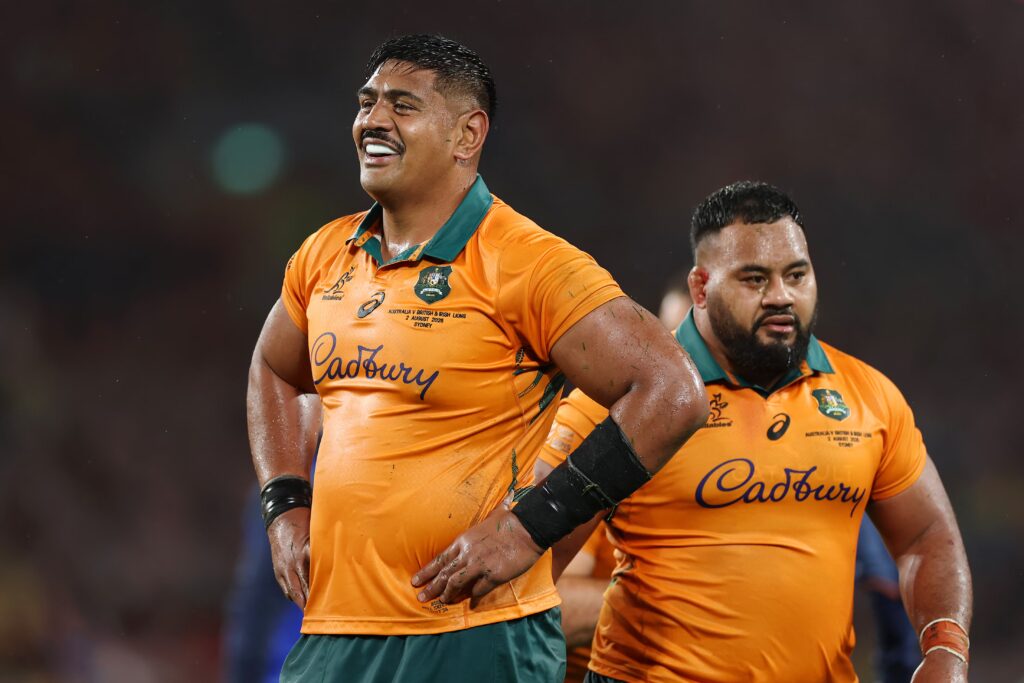
Australia’s Bledisloe Cup challenge brings them up against a coach who helped launch the international careers of several players now trying to end New Zealand’s hold on the trophy.
Dave Rennie will face the Wallabies on Saturday for the first time since his departure as their head coach in early 2023. His former players arrive with a recent victory over South Africa behind them and an opportunity to turn growing confidence into something more substantial.
The setting makes that ambition considerably harder.
New Zealand have held the Bledisloe Cup since 2003. Australia have not won at Eden Park since 1986, while the All Blacks are unbeaten there across 53 Tests.
For Les Kiss and his players, the challenge is to produce a performance that stands up against those records without allowing them to dictate the contest.
Why this Bledisloe Cup challenge carries weight
Australia’s 42-38 victory over South Africa in Perth provided a persuasive reason to take their challenge seriously.
Beating the world champions gives Kiss something concrete to build on. It also raises expectations of what this side should be capable of delivering next.
Yet the scoreline contains two different lessons.
Australia built a commanding advantage and survived an extraordinary finish, during which they were reduced to 11 players. Their ability to keep competing in those circumstances mattered, but so did the sequence of events that left the result in doubt.
The Wallabies cannot plan around another escape.
Their next step is to combine the ambition that helped them trouble South Africa with the discipline needed to protect a winning position. That means judging when to pursue another score, when to play for territory and when to slow the game down.
Auckland offers a demanding examination of whether they can make those decisions consistently.
Rennie faces players he helped develop
The reunion has substance beyond the familiar story of a coach meeting his former team.
According to Rugby Australia’s account of the build-up, nine members of the matchday squad that beat South Africa made their Test debuts under Rennie.
They include Harry Wilson, Angus Bell and Fraser McReight.
Allan Alaalatoa has spoken warmly about Rennie’s relationships with players, while McReight has credited the former coach with helping him understand the preparation required for international rugby.
That history gives the encounter a personal dimension. Players who were establishing themselves during Rennie’s tenure now have an opportunity to demonstrate how far they have developed.
For Rennie, familiarity may help identify individual strengths and habits. It does not remove the need to respond to the team Kiss has in front of him now.
Australia’s best answer would be a performance that makes their former coach adjust.
What Eden Park changes
The All Blacks’ unbeaten run at Eden Park stretches back to 1994.
Such a record creates an obvious temptation to treat the venue itself as the decisive factor. Australia still have to reduce the task to the decisions they can influence.
Winning their own possession, exiting cleanly and avoiding unnecessary penalties will matter more than attempts to manufacture a statement in the opening minutes.
The visitors do not need to settle decades of history with their first attack. They need to remain in a position to win when the match reaches its decisive stages.
That requires patience if New Zealand score first and composure if Australia take the lead. Either situation can encourage a side to abandon the approach that gave it a chance.
The practical target is to keep making sound decisions as the pressure increases.
New Zealand have their own questions
Rennie’s side enter the series after losing their four-Test contest with South Africa 3-1.
That provides Australia with evidence that New Zealand can be beaten, although results against a shared opponent are an unreliable guide to what happens next.
Different selections, venues and match situations make direct comparisons difficult. Australia’s Perth victory will not give them points on the board in Auckland.
There are changes within the New Zealand group, too.
Codie Taylor has been appointed captain for the series, while Scott Barrett returns to the squad following his extended absence. Shannon Frizell is also back, and Ruben Love is unavailable through injury.
Those decisions give Rennie experience to draw on while presenting questions about combinations and responsibility.
Australia’s task is to test how those combinations function under pressure. Simply waiting for New Zealand to repeat mistakes from an earlier series would hand the initiative back to the hosts.
Selection will shape Australia’s approach
Australia also have disruption to manage.
Hunter Paisami’s suspension removes a midfield option, while Len Ikitau’s ankle injury has been a concern during the build-up. The final team announcement will clarify the combination available to Kiss.
The importance extends beyond the names on the teamsheet.
Midfield selection affects how a side carries into contact, connects with its outside backs and organises its defence. Changes can also alter which players take responsibility when an attack loses its initial shape.
For Australia, clarity will be essential. Whoever fills those roles must know when to hold possession and when the opportunity justifies a more ambitious pass.
A strong result against South Africa has raised the standard. Maintaining it with changes to personnel would offer further evidence of depth.
What Australia need to win the trophy
This is a two-Test series, with the return match at Accor Stadium in Sydney on 17 October.
As holders, New Zealand retain the Bledisloe Cup if the series finishes level. Australia must therefore win the series outright.
That makes the opening result particularly significant. Defeat would end their chances of reclaiming the trophy this year, even with a home fixture still to come.
An Australian win would transform the return match. A draw would also leave the trophy within reach.
For Kiss, there is a balance to strike between recognising those stakes and keeping his players focused on the immediate contest. The consequences are clear enough without every possession becoming a referendum on the drought.
A chance to make progress count
With a home World Cup approaching in 2027, Australia have an opportunity to give their preparations a result that carries lasting significance.
There are credible grounds for optimism: a victory over the world champions, experienced players growing into responsibility and a coach with evidence that his side can compete at a high level.
The remaining question is whether those qualities can survive a different kind of pressure.
Rennie knows many of the players trying to answer it. On Saturday, they have the opportunity to show him a team capable of taking the next step.
Related

Scotland vs New Zealand preview: Graham boost as Scots chase historic All Blacks win at Murrayfield
Human
Reece Walsh gets Australia full-back nod ahead of James Tedesco for World Cup semi-final against Samoa
Human
Kalyn Ponga handed World Cup comeback chance as New Zealand name squad for Tonga semi-final
Human
Australia vs Samoa: TV channel, live stream and UK kick-off time for Rugby League World Cup semi-final
Human
New Zealand vs Tonga: TV channel, live stream and UK kick-off time for World Cup semi-final
Human