 Premier League
 Championship
 EFL One & Two
 Scottish Premiership
 WSL
 Champions League
 Europa League
 FA Cup
 Carabao Cup
 Arsenal News
 Aston Villa News
 Chelsea News
 Liverpool News
 Man City News
 Man Utd News
 Newcastle News
 Tottenham News

 Premiership Rugby
 URC
 Six Nations
 Nations Championship
 Bath
 Leicester Tigers
 Saracens
 Northampton Saints
 Harlequins
 Bristol Bears
 Leinster
 Munster
 Glasgow Warriors
 Cardiff

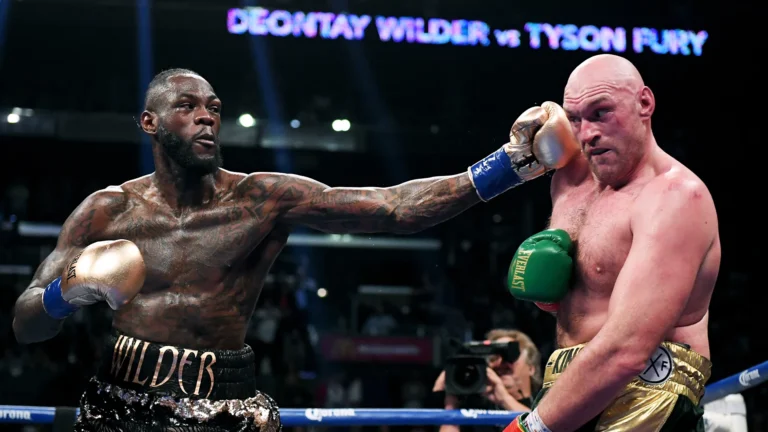
US Senate passes Muhammad Ali boxing bill to allow UFC-style leagues and set $200-a-round minimum
The US Senate has voted unanimously for the Muhammad Ali American Boxing Revival Act. It now returns to the House before it can go to President Trump.
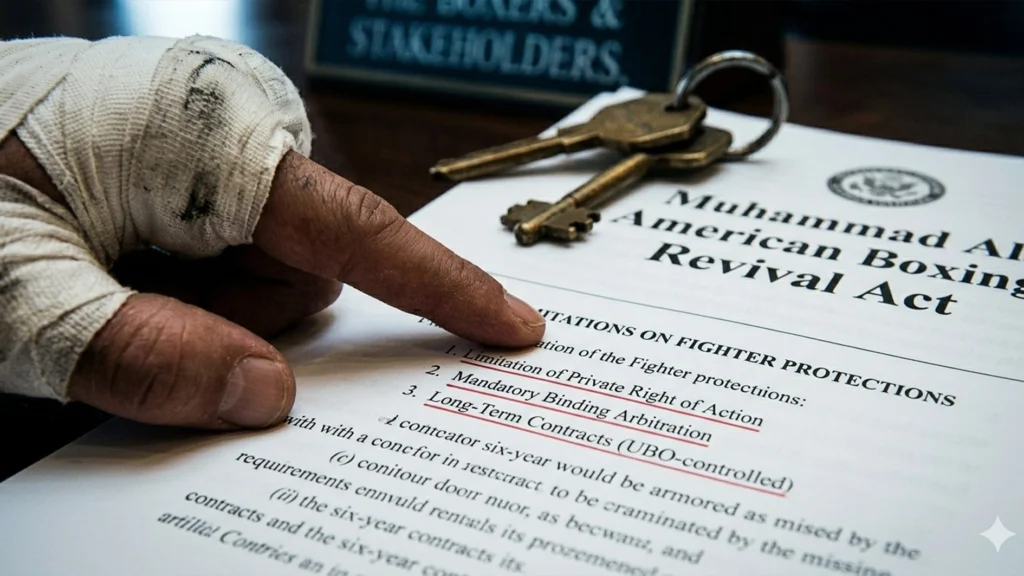
The US Senate has passed a bill that would let boxing leagues sign fighters, rank them and award their own title belts. It would also set a federal minimum of $200 per round for professional boxers, including those who stay with traditional promoters.
The Muhammad Ali American Boxing Revival Act of 2026 passed by unanimous consent on Thursday 19 November. No senator objected and there was no roll-call vote. The House of Representatives passed an earlier version in March and must now agree to the Senate’s changes before the bill can go to President Donald Trump.
How the Muhammad Ali boxing bill would change title fights
A boxer could choose to sign with a Unified Boxing Organization, or UBO. The league could put two fighters from its own roster into a title bout under its own rules, using its own rankings and belt. It could also recognise an independent body’s titles or rankings. Boxers who prefer the existing system could continue to compete outside the league.
That shift has divided the sport. The original Muhammad Ali Boxing Reform Act of 2000 sought to curb conflicts of interest and give fighters more bargaining power. At an April Senate hearing, former world champion and Golden Boy promoter Oscar De La Hoya argued that a company controlling rankings and titles would also control which fighters get a shot at them.
Texas Republican Ted Cruz and Nevada Democrat Jacky Rosen sponsored the Senate measure. Cruz argues that a league could make it easier to match leading fighters. The Senate Commerce Committee says Muhammad Ali’s widow, Lonnie Ali, and his grandson Nico Ali Walsh, a professional boxer, support the revised bill.
What the $200 minimum would mean for fighters
For a boxer signing a UBO contract, the Senate bill specifies at least $200 for each scheduled round. A four-round booking would therefore carry a minimum purse of $800, even if the fight ended early. The wider provision covering traditional promoters sets a $200 minimum for each round in which the boxer participates.
The bill also caps a boxer’s first professional promotional agreement at three years and subsequent deals at four. Those limits would apply to traditional promoters as well as UBOs. Fighters could speak to other promoters during the final 90 days of a deal and sign a new agreement once the existing one expires.
Each boxer would have at least $50,000 in medical cover for injuries suffered in a bout and $15,000 in accidental death cover, with the boxer paying none of the premium. The bill also requires drug testing for title fights and random testing for other bouts.
When could the new boxing rules apply?
The House must approve the same wording as the Senate. If the bill becomes law in its current form, the new rules would generally apply to professional bouts held 240 days or more after enactment.
Related

Johnny Fisher targets Kristian Prenga for February return
By Jack Shaw ·
Aaron McKenna to defend IBF world title against Aleksejevs on 4 December
By Jack Shaw · Human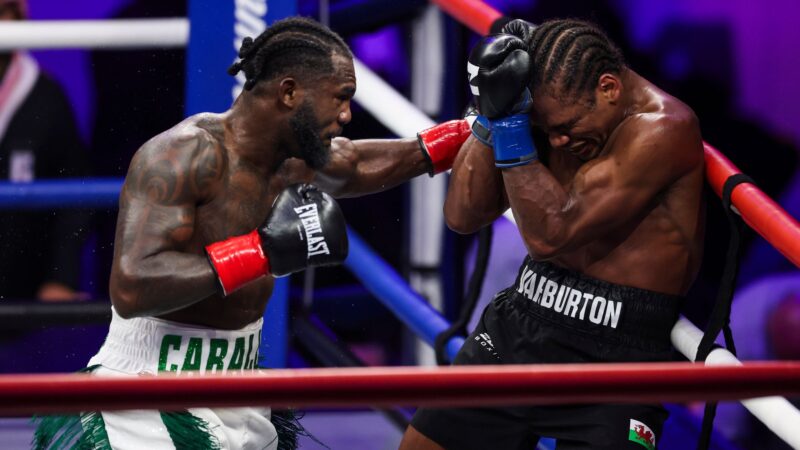
Carlos Adames beats Gerome Warburton on points in Zuffa debut
By Jack Shaw ·
Gervonta Davis renews Devin Haney call-out and softens weight stance
By Jack Shaw ·
Eddie Hearn calls Mike Coppinger a Zuffa ‘company man’ in heated row
By Jack Shaw ·