 Premier League
 Championship
 EFL One & Two
 Scottish Premiership
 WSL
 Champions League
 Europa League
 FA Cup
 Carabao Cup
 Arsenal News
 Aston Villa News
 Chelsea News
 Liverpool News
 Man City News
 Man Utd News
 Newcastle News
 Tottenham News

 Premiership Rugby
 URC
 Six Nations
 Nations Championship
 Bath
 Leicester Tigers
 Saracens
 Northampton Saints
 Harlequins
 Bristol Bears
 Leinster
 Munster
 Glasgow Warriors
 Cardiff

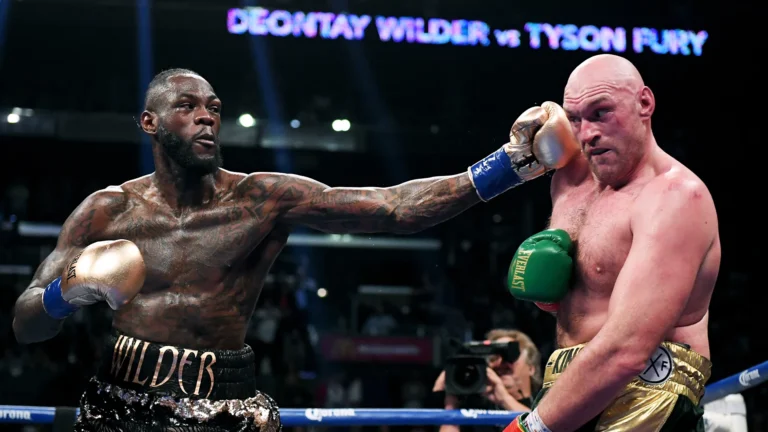
Tyson Fury Netflix documentary reviews praise family scenes as one critic questions Joshua ending
The first Tyson Fury Netflix documentary reviews pick out the family interviews, the Wilder comeback and an ending one critic felt sold the Joshua fight.
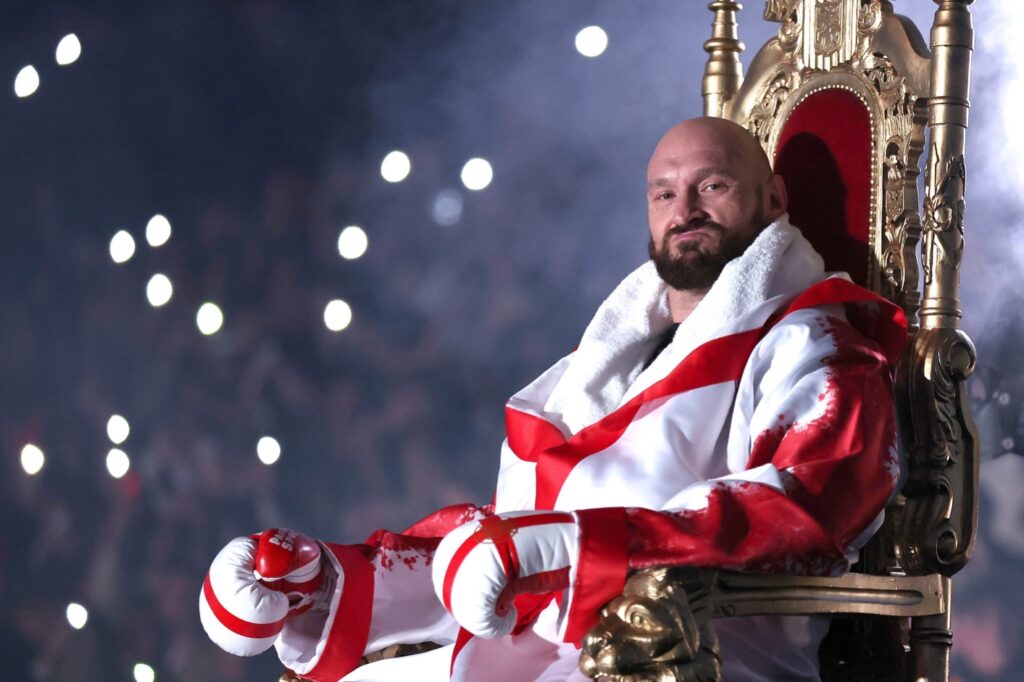
Tyson Fury getting up in the 12th round against Deontay Wilder is the moment most boxing fans will remember.
The first Tyson Fury Netflix documentary reviews, published for its UK release on Friday 27 November, find just as much to watch in the way his wife Paris describes the years before that comeback. For one critic, though, the ending feels like a sales pitch for December’s Anthony Joshua fight.
Director Lucy Wilcox tells the story through archive footage and interviews with just three people: Tyson, Paris and Tyson’s father John. It is a choice that gives viewers unusual access to the family, while leaving some questions about Fury’s career to others.
Tyson Fury Netflix documentary review: what the critics say
The Times singles out Paris watching her husband humiliate himself in public after his 2015 victory over Wladimir Klitschko. Fury had spent his life trying to become heavyweight champion. The review finds the question of what he did once he got there compelling even for someone with little interest in boxing.
The Upcoming critic Andrew Murray admired the way Fury talks about his mental health. His reservation comes at the end. Murray felt the cliffhanger turned the documentary into “one large promotion” for the Joshua fight, which Netflix will also show.
The Independent’s Alex Pattle attended a preview screening and a Q&A with Wilcox. He warned that boxing fans will know almost all of the story already. The climax is Fury’s first fight with Deontay Wilder in 2018, when he rose from a brutal 12th-round knockdown. But he said there are still things to learn.
Fury opens up on his darkest days
Fury has long spoken about being bipolar. In this film, according to The Independent, he goes deeper. He talks about being hospitalised during his break from boxing in 2016. He describes hearing voices and having a “full-on conversation with the radio”.
Some critics saw an earlier cut of the Tyson Fury Netflix documentary. Netflix removed references to a schizophrenia diagnosis after Paris said Tyson had never been diagnosed with the condition, as we reported on Thursday. That came after the British Boxing Board of Control said it would review Fury’s medical position before the Joshua fight.
What Paris and John Fury bring to the film
Wilcox interviewed Tyson nine times, for three hours at a sitting. At the Q&A, she explained why she also needed Paris’s recollections. The boxer could be selective about what he remembered. His wife could describe what the same years looked like to the person beside him.
John provides one of the most revealing moments in Pattle’s account. Asked about his son’s return to boxing in 2017, he starts by praising Tyson and ends up questioning his own example as a father. It gives viewers who know the Wilder fight by heart something the archive footage alone could never show.
There are gaps. Pattle noted the film does not mention Fury’s failed drug test for nandrolone, or his past links to MTK Global. Wilcox told the screening that the interviews covered both subjects. The project began as a six-hour series, and those exchanges did not make the feature film.
The Tyson Fury Netflix documentary arrived two weeks before Fury is due to meet Joshua in Cardiff on 11 December. That leaves viewers with two different endings: the night Fury climbed off the canvas against Wilder, and the next fight Netflix wants them to watch. For the full card, start times and build-up, see our Fury vs Joshua fight page and the latest boxing news.
If you are affected by any of the issues in this article, Mind offers mental health information. Samaritans can be reached free on 116 123.
Related
Justis Huni vs Jeamie TKV to headline Cardiff show on the eve of Fury vs Joshua
By Jack Shaw ·
Fury vs Joshua loser will have nowhere to go, says Duke McKenzie, who tips Moses Itauma to come again
By Jack Shaw ·
Daniel Dubois next fight: Joseph Parker date, record and titles
By Jack Shaw ·
Tyson Fury fight time UK: when Fury vs Joshua ring walks start in Cardiff
By Jack Shaw ·
Netflix edits Tyson Fury documentary after Paris Fury clarifies remarks about schizophrenia
By Jack Shaw ·